




What's Happening?
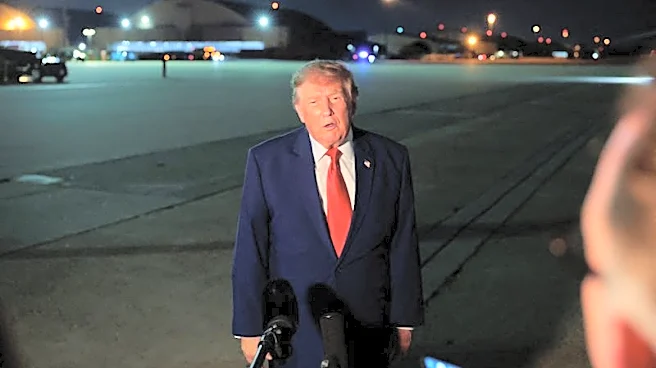
President Trump has announced his intention to declare the Strait of Hormuz a 'territory' of the United States following the defeat of Iran. Speaking in New York, President Trump stated this move would occur after the ongoing war between the U.S., Israel,
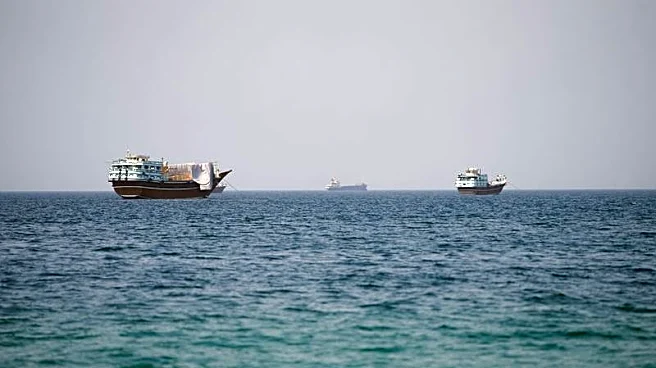
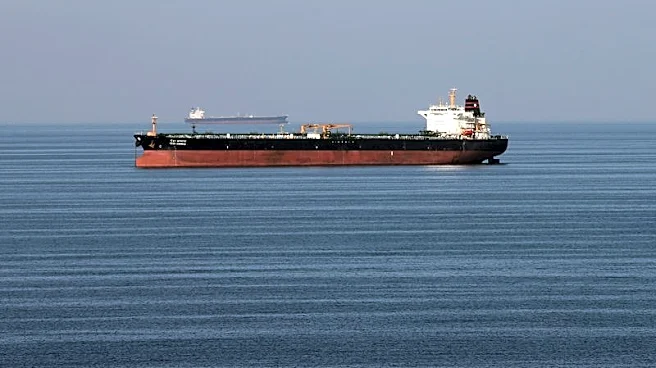
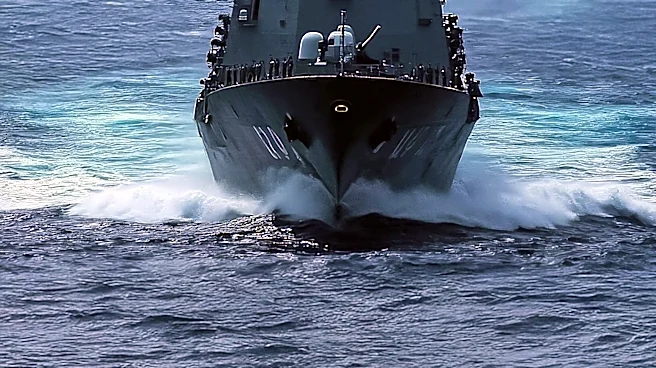
and Iran concludes. The conflict, which began in February with U.S.-Israeli strikes, has seen Iran restricting traffic through the strait, a critical artery for global oil, natural gas, and fertilizer supplies. The U.S. has responded by establishing its own blockade in the strait, which President Trump described as 'impenetrable.' He also suggested the U.S. could become the 'guardian' of the Strait of Hormuz, collecting a 20 percent fee on passing products, a proposal legal experts deem illegal under international law. Treasury Secretary Scott Bessent indicated that new U.S. economic measures against Iran are expected soon.
Why It's Important?
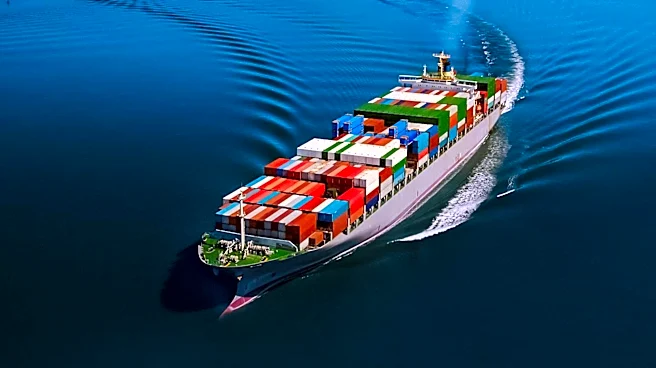
President Trump's declaration, if implemented, would represent a significant escalation in the conflict with Iran and a direct challenge to international maritime law, which protects the free transit of commercial vessels through such waterways. The Strait of Hormuz is strategically vital, accounting for approximately 20 percent of the global oil supply before the war. Any attempt by the U.S. to claim it as territory or impose tolls would have profound implications for global energy markets, international trade, and geopolitical stability. This move could further inflame tensions, potentially leading to increased military confrontation and widespread international condemnation. It also reflects President Trump's broader vision of a 'growing nation,' as he has previously pressured other territories to cede sovereignty.
What's Next?
Iran's deputy foreign minister has already issued a defiant response to President Trump's remarks, indicating strong opposition to any such declaration. If President Trump proceeds with this plan, it would likely trigger significant international legal challenges and diplomatic fallout. The U.S. is also expected to unveil new economic measures to further weaken Iran's economy. The ongoing war and its impact on President Trump's approval ratings, particularly with the 2026 midterm elections approaching, will continue to influence his administration's strategy. The situation in the Strait of Hormuz remains a major sticking point in ceasefire negotiations, with no clear end to the conflict in sight.
Beyond the Headlines
The potential declaration of the Strait of Hormuz as U.S. territory raises complex questions about sovereignty, international law, and the future of global maritime governance. Such a move could set a dangerous precedent, encouraging other nations to assert unilateral control over strategic international waterways, leading to increased instability and potential conflicts. Beyond the immediate geopolitical implications, the economic consequences for global shipping, insurance, and energy prices would be substantial. The domestic political context, including President Trump's low approval ratings for the war and the upcoming midterm elections, suggests that these bold statements may also serve to rally his political base and project an image of strength on the international stage.