



What's Happening?
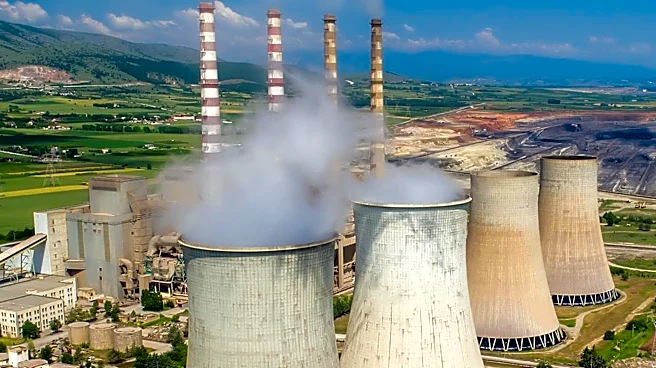
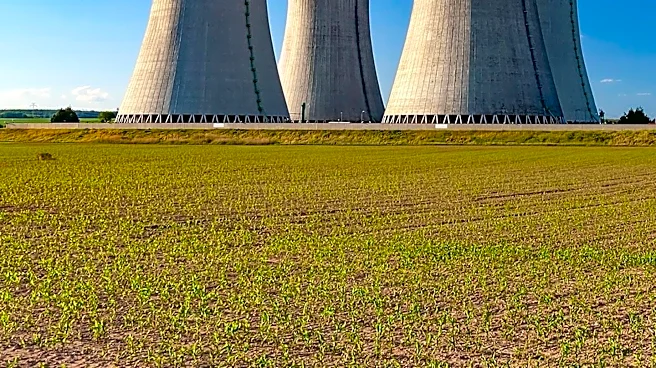
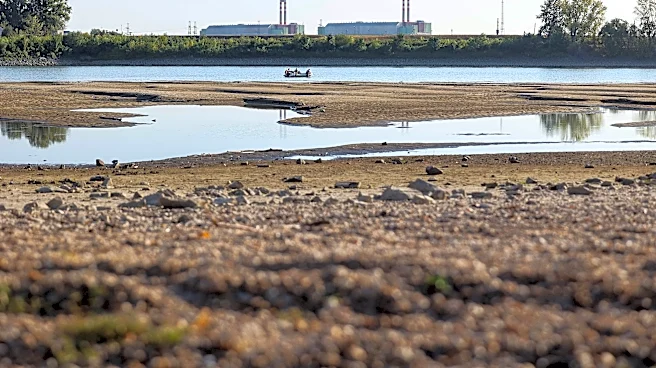
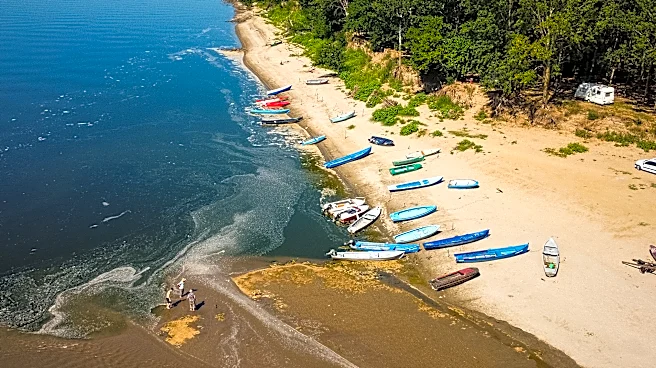
Europe is facing an escalating energy crisis as extreme heat and drought have led to record low water levels in major rivers like the Danube and Rhine. This situation has forced Hungary and Romania to shut down nuclear power plants that rely on river water for cooling.
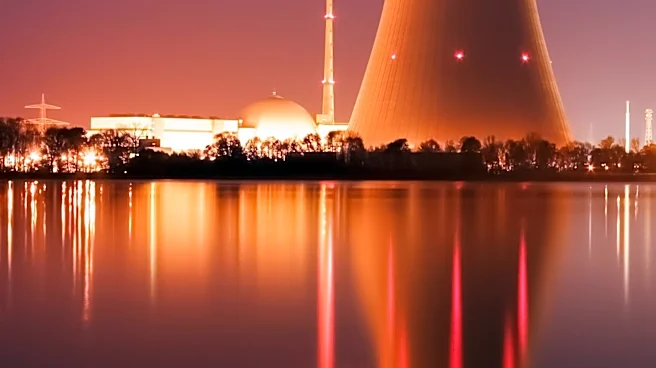
Hungary's largest nuclear power plant, Paks, which supplies nearly half of the country's electricity, has been operating at less than 50% capacity and is expected to be completely powered down due to insufficient water levels. Similarly, Romania has shut down a reactor unit at the Cernavodă power plant for safety reasons, with plans to shut down a second unit. The Hungarian government has urged citizens to reduce energy use during peak hours, and industries such as carmakers and battery manufacturers have been ordered to cut power and water consumption.
Why It's Important?
The shutdown of nuclear power plants in Hungary and Romania highlights the vulnerability of energy infrastructure to climate-induced environmental changes. This crisis could lead to significant economic disruptions, affecting industries reliant on stable energy supplies. The reduction in energy production may result in increased energy prices and potential shortages, impacting both consumers and businesses. Additionally, the situation underscores the urgent need for Europe to diversify its energy sources and enhance resilience against climate change impacts. The crisis also poses a challenge to European governments to balance immediate energy needs with long-term sustainability goals.
What's Next?
As water levels are expected to remain low, the shutdowns of nuclear plants in Hungary and Romania could extend for weeks. Governments may need to implement further energy-saving measures and explore alternative energy sources to mitigate the impact. The International Energy Agency (IEA) has already released emergency oil stocks, and there may be increased efforts to accelerate renewable energy projects. Stakeholders, including political leaders and industry representatives, will likely engage in discussions to address the crisis and prevent similar occurrences in the future.
Beyond the Headlines
The current energy crisis in Europe could lead to a reevaluation of energy policies and infrastructure investments. There may be increased pressure on governments to invest in renewable energy and improve energy efficiency. The situation also raises ethical questions about energy consumption and environmental stewardship, as well as the need for international cooperation to address climate change. Long-term, this crisis could drive innovation in energy technology and influence global energy markets.