


What's Happening?
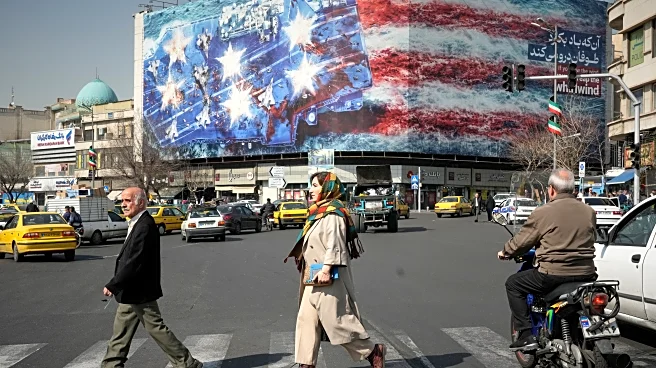
The next round of U.S.-Iran nuclear talks is set to take place in Geneva on Thursday, as confirmed by Oman's Foreign Minister. The discussions aim to address Iran's nuclear program, with both sides exploring diplomatic solutions despite escalating tensions.
Iran's Foreign Minister Abbas Araghchi has expressed optimism about reaching an agreement, focusing solely on the nuclear issue. The U.S. has maintained that Iran cannot have nuclear weapons or the capacity to build them, while Iran insists on its right to enrich uranium for peaceful purposes. The talks follow years of deadlock after the U.S. withdrew from the 2015 nuclear deal.
Why It's Important?
These negotiations are critical for preventing a potential military conflict in the Middle East, which could have far-reaching consequences for global security and economic stability. A successful agreement would demonstrate the effectiveness of diplomacy in addressing nuclear proliferation and could lead to improved U.S.-Iran relations. However, failure to reach a deal could escalate tensions, impacting regional alliances and global oil markets. The talks also have domestic political implications for President Trump, who seeks to secure a more favorable deal than the previous administration.
What's Next?
As the talks progress, both sides will need to find common ground on nuclear limitations and sanctions relief. The U.S. may face pressure to address Iran's missile program in future discussions, while Iran will need to demonstrate transparency in its nuclear activities. The international community will be closely monitoring the situation, as the outcome could influence broader diplomatic efforts and regional stability.