


What's Happening?
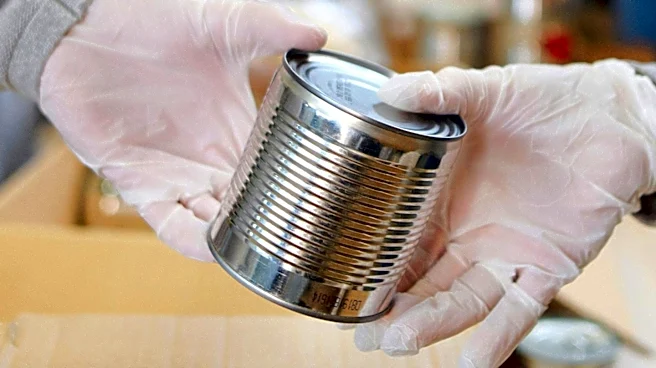
Vendors at the Minnesota State Fair have donated over 10,000 pounds of leftover food and supplies to local food shelves through an initiative organized by Second Harvest Heartland. This effort marks the first time a centralized system has been established
for vendors to contribute unused items, which previously might have gone to waste. More than 200 vendors expressed interest in participating before the fair began. Second Harvest Heartland deployed refrigerated trucks to the fairgrounds to collect a variety of items, including frozen hamburgers, egg rolls, frozen grapes, and hot dog buns. Sarah Moberg, CEO of Second Harvest Heartland, highlighted that some of these frozen foods are not typically available at food shelves, making them particularly exciting for recipient families. The collected items will be combined with existing food supplies at the food shelves to help create complete meals for those in need.
Why It's Important?
This initiative is important because it addresses food waste while simultaneously combating food insecurity in Minnesota. By centralizing the collection of leftover food from a large-scale event like the State Fair, Second Harvest Heartland is creating an efficient pathway to redirect edible surplus to communities that need it most. The inclusion of diverse food items, such as frozen egg rolls and French fries, offers a broader nutritional and culinary variety to food shelf recipients, enhancing the quality of meals they can prepare. This model could serve as a blueprint for other large events and festivals across the U.S., demonstrating how temporary food service operations can contribute to community welfare rather than generating waste. It also highlights the growing awareness and commitment among businesses to engage in sustainable practices and corporate social responsibility.
What's Next?
The success of this year's centralized food donation program at the Minnesota State Fair suggests that similar initiatives are likely to continue and potentially expand in future years. Second Harvest Heartland's goal is to make the donation process as easy as possible for vendors, which could encourage even greater participation. Other large-scale events and venues in the U.S. might observe this model and consider implementing similar programs to reduce waste and support local food banks. There could also be efforts to refine the logistics of collection and distribution, ensuring that a wider range of perishable and non-perishable items can be effectively utilized. This could lead to increased partnerships between event organizers, food service providers, and hunger relief organizations nationwide.
Beyond the Headlines
Beyond the immediate benefit of feeding hungry families, this program underscores a broader cultural shift towards sustainability and community support within the U.S. event industry. It challenges the traditional linear model of consumption and waste at large gatherings, promoting a circular economy approach where surplus resources are repurposed. The initiative also fosters a sense of collective responsibility among vendors, encouraging them to think beyond their immediate sales and consider their impact on the wider community. This could lead to a re-evaluation of food procurement and waste management strategies across various sectors, potentially influencing policy discussions around food waste reduction and charitable giving incentives for businesses. It also highlights the power of collaboration between non-profit organizations and commercial entities to address pressing social issues.