

What's Happening?
Denmark is increasing its military presence in Greenland following remarks by President Trump suggesting a new security framework involving the Arctic island. Greenland, a self-governing territory within the Kingdom of Denmark, is strategically located
along transatlantic defense routes. President Trump's comments at the World Economic Forum in Davos about a potential security deal involving Greenland prompted swift responses from Danish and Greenlandic leaders. Denmark's Defense Ministry emphasized that Greenland's status is non-negotiable and any defense cooperation must align with Denmark's constitutional framework and existing NATO arrangements. Denmark is also urging NATO to assume a greater role in Arctic security, citing the region's growing strategic importance due to Russian and Chinese activities.
Why It's Important?
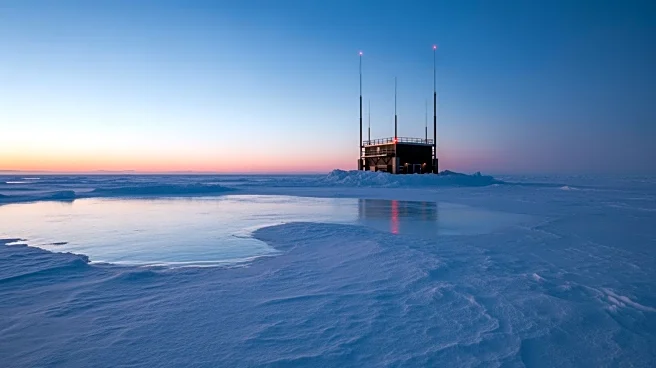
The expansion of Denmark's military presence in Greenland underscores the strategic importance of the Arctic region in global defense. Greenland's location is crucial for transatlantic missile defense and early-warning systems, making it a focal point for NATO's security strategy. The increased military activity reflects heightened tensions in the Arctic, driven by Russia's military expansion and China's growing interest in the region. Denmark's actions signal a commitment to maintaining sovereignty over Greenland while integrating it more deeply into NATO's defense posture. This development could influence future NATO strategies and alliances, impacting U.S. and European security policies.
What's Next?
Denmark plans to continue strengthening its military capabilities in Greenland, with future NATO exercises and consultations expected to shape Arctic security cooperation. The focus will be on enhancing interoperability among NATO allies and expanding surveillance and patrol operations in the region. As NATO deliberates on its Arctic strategy, Denmark's push for a more prominent alliance role could lead to increased infrastructure investment and long-term military presence in the High North. The situation remains dynamic, with potential implications for U.S. and NATO defense policies in response to geopolitical shifts in the Arctic.