





What's Happening?
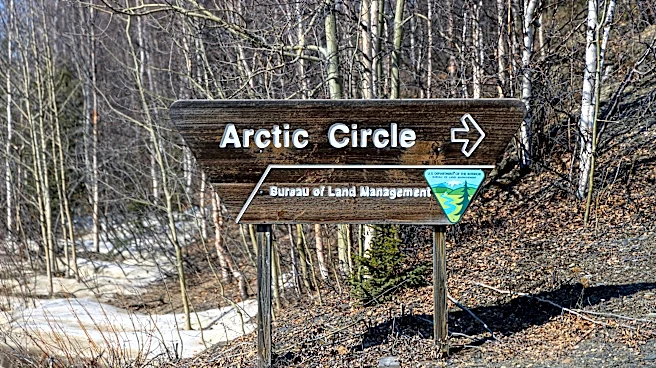
The Department of the Interior is proposing significant updates to the Bureau of Land Management's (BLM) land use planning regulations, which have largely remained unchanged since their initial adoption in 1979. The proposed revisions aim to streamline
the planning process, reduce bureaucratic hurdles, and enhance coordination with state and local governments. According to Secretary of the Interior Doug Burgum, these changes are designed to empower local leaders and make it easier to conserve natural resources while boosting production of food and energy. BLM Director Steve Pearce stated that the current planning process is too slow and complicated, and these updates would improve efficiency, reduce taxpayer costs, and foster better coordination with communities reliant on public lands. The proposed rule seeks to align the regulations more closely with the Federal Land Policy and Management Act, update terminology, eliminate redundant requirements, and simplify burdensome aspects of the planning process. Additionally, the proposal grants the BLM more flexibility in designating Areas of Critical Environmental Concern, allowing for more focused protection of valuable resources rather than oversized buffer zones. The proposed rule will be published in the Federal Register next week, initiating a 60-day public comment period, and a virtual public information session is scheduled for December 3.
Why It's Important?
This proposed modernization is crucial for the efficient management of vast tracts of public land across the United States. Outdated regulations can hinder effective decision-making, leading to delays in conservation efforts, resource development, and economic activities that depend on these lands. By cutting red tape and improving coordination, the Interior Department aims to create a more responsive and adaptable framework for land use planning. This could have significant implications for various stakeholders, including ranchers, energy companies, conservation groups, and outdoor recreation enthusiasts. The changes are intended to balance multiple uses of public lands more effectively, potentially leading to more timely approvals for projects while still ensuring environmental protection. Empowering state and local governments in the planning process could also lead to decisions that are more tailored to regional needs and priorities, fostering greater local buy-in and reducing conflicts over land use. The ability to designate Areas of Critical Environmental Concern more flexibly could lead to more targeted and effective conservation outcomes.
What's Next?
The immediate next step is the publication of the proposed rule in the Federal Register, which will officially open a 60-day public comment period. During this time, stakeholders, including environmental organizations, industry groups, state and local governments, and the general public, will have the opportunity to submit written comments. The BLM will also host a virtual public information session on December 3 to provide more details and answer questions about the proposed regulations. Following the comment period, the Department of the Interior will review all submitted feedback and may make further adjustments to the rule before finalizing it. The final rule will then be implemented, leading to changes in how the BLM conducts its land use planning processes across the country. Stakeholders will closely monitor the final version of the rule to understand its full implications for land management, resource development, and conservation efforts.
Beyond the Headlines
Beyond the procedural updates, this proposal reflects a broader philosophical shift in how public lands are managed, emphasizing efficiency, local input, and a more dynamic approach to balancing competing interests. The move to modernize regulations that have been largely static for decades highlights the challenges of managing public resources in a rapidly changing environmental and economic landscape. This initiative could set a precedent for other federal agencies to review and update their own outdated regulations, promoting a more agile and responsive government. Ethically, the proposal aims to strike a balance between conservation and economic development, a perennial challenge in public land management. The increased flexibility in designating Areas of Critical Environmental Concern could lead to more strategic conservation efforts, but it also places a greater responsibility on the BLM to ensure these designations are made judiciously and transparently. The long-term impact could be a more integrated and locally-driven approach to land stewardship, potentially reducing federal-state tensions over land management policies.