





What's Happening?
The Crawford Soil and Water Conservation District is encouraging residents to adopt backyard composting practices to reduce the amount of waste sent to the county landfill. Mike Hall of the District highlighted that food waste constitutes approximately
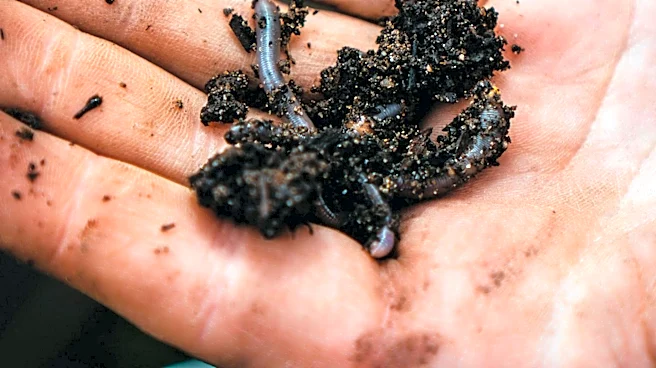
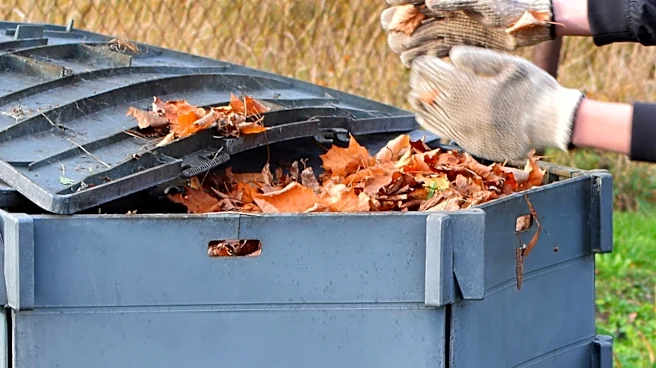
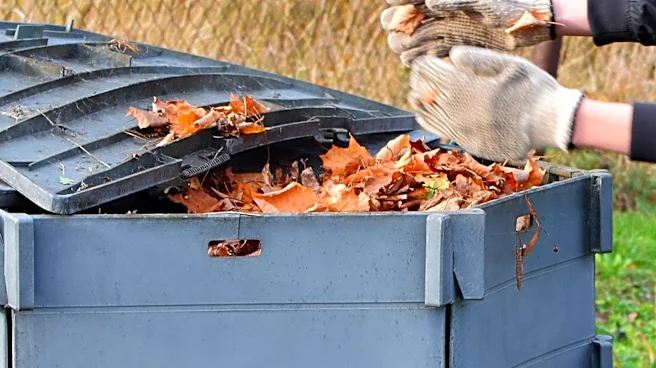
22% of the total volume at the county-owned landfill. While the average Crawford County resident generates about 4 pounds of trash daily, which is below the Ohio state average of over 5.3 pounds, diverting kitchen scraps like vegetable peelings can significantly extend the landfill's lifespan. A basic 3-by-3-foot enclosure made from wooden pallets, placed in a high, dry area with partial sun, can transform yard waste and produce scraps into nutrient-rich soil within four to five months, even functioning through winter. Residents are advised to exclude meat, dairy, grease, and oils from compost piles. The District offers guidance, site visits, and resources for setting up composting systems.
Why It's Important?
This initiative is important for environmental sustainability and local resource management in Crawford County. By reducing food waste in landfills, the county can mitigate greenhouse gas emissions, as decomposing organic matter produces methane, a potent greenhouse gas. Extending the lifespan of the county landfill also reduces the need for new landfill sites, preserving land and natural habitats. For residents, backyard composting offers a practical way to contribute to environmental conservation while also producing valuable nutrient-rich soil for gardens, reducing the need for chemical fertilizers. This effort aligns with broader national goals of waste reduction and sustainable living, demonstrating how local actions can have a cumulative positive impact on environmental health and resource efficiency.
What's Next?
The Crawford Soil and Water Conservation District will continue to offer support and resources to residents interested in composting. They provide guidance on setting up compost systems and offer site visits to assist with proper implementation. Residents can contact the District via phone, website, or by visiting their office for more information and assistance. The ongoing encouragement of backyard composting is expected to lead to a gradual reduction in food waste entering the landfill, contributing to the county's waste management goals and promoting a more sustainable community. Educational efforts will likely continue to raise awareness about the benefits and methods of composting.
Beyond the Headlines
Beyond the immediate benefits of waste reduction and soil enrichment, this initiative highlights a growing trend towards localized environmental solutions and community engagement in sustainability efforts. It underscores the importance of individual actions in addressing larger environmental challenges, such as landfill capacity and climate change. The District's proactive approach in educating and assisting residents fosters a sense of collective responsibility and empowers individuals to make tangible contributions to their local environment. This model of community-led conservation can serve as a blueprint for other regions looking to implement effective waste management strategies and promote ecological stewardship at the grassroots level, fostering a more resilient and environmentally conscious society.