
What's Happening?
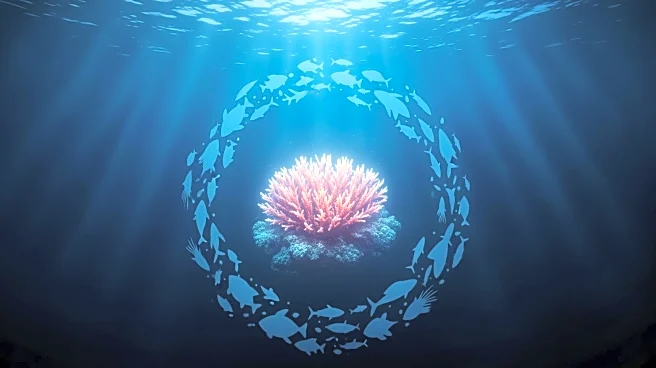
On January 17, 2026, the United Nations' Biodiversity Beyond National Jurisdiction (BBNJ) accord came into force, marking the first global framework aimed at conserving marine life in international waters.
This treaty establishes a process for creating protected areas on the high seas, mandates environmental impact assessments for new activities, and sets rules for sharing benefits from marine genetic resources. It also commits to capacity building and technology transfer to support these initiatives. The BBNJ treaty addresses the need for a cohesive legal framework to manage the high seas, which cover 60% of the ocean and over 40% of the planet's surface. Historically, these areas have been governed by fragmented rules, leading to challenges in managing fishing, shipping, and bioprospecting activities.
Why It's Important?
The BBNJ treaty is significant as it represents a shift in the legal governance of the high seas, aiming to protect biodiversity in areas beyond national jurisdiction. This is crucial as these regions have been subject to over-exploitation due to a lack of comprehensive regulation. The treaty's focus on transparency, protection, and benefit-sharing is intended to address these issues. By requiring environmental impact assessments and promoting shared information, the treaty seeks to reduce harmful activities. Additionally, it aims to ensure that developing countries benefit from marine genetic resources, addressing long-standing equity concerns. The success of this treaty could set a precedent for future international environmental agreements.
What's Next?
The implementation of the BBNJ treaty will require detailed rules and mechanisms to be developed over the coming years. Key challenges include ensuring transparency in environmental assessments, effective enforcement of protected areas, and equitable benefit-sharing. The treaty's success will depend on the willingness of countries to collaborate and the effectiveness of technology in monitoring compliance. The international community will need to address these challenges to ensure the treaty's objectives are met and to foster trust among participating nations.
Beyond the Headlines
The BBNJ treaty highlights the growing recognition of the high seas as a critical area for biodiversity conservation. It underscores the importance of international cooperation in managing global commons and the role of technology in enhancing governance. The treaty also raises ethical questions about the equitable distribution of resources and the responsibilities of developed nations in supporting capacity building for poorer countries. As the treaty is implemented, it may influence broader discussions on global environmental governance and the sustainable use of natural resources.