






What's Happening?
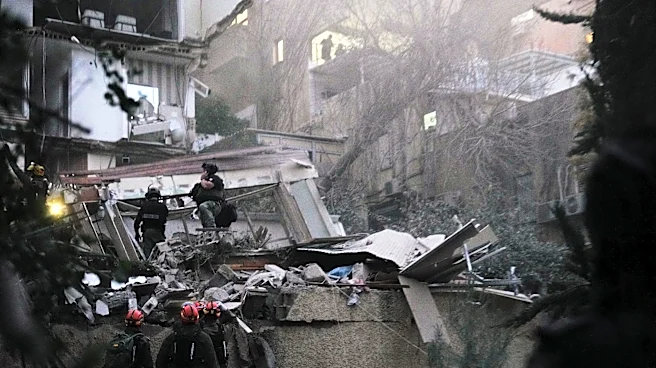
A building collapse in Tel Aviv has severely impacted the local fashion industry, particularly affecting designer Noa Geller and the cutting workshop of Abramo Hajjaj. The building, which partially collapsed on Passover eve, housed several businesses,
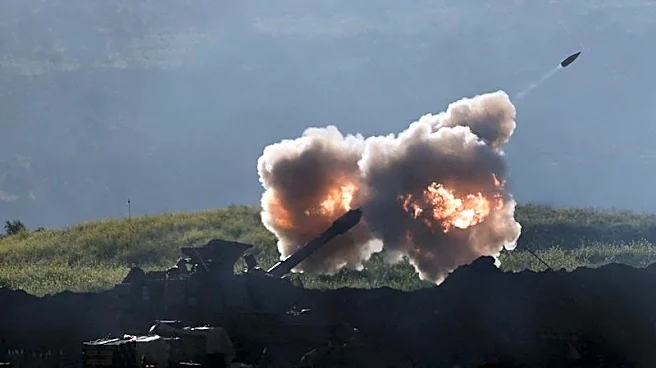
including Geller's studio and Hajjaj's workshop, which serves multiple fashion brands. The collapse has left these businesses stranded, with authorities denying responsibility. Geller and Hajjaj are scrambling to salvage equipment and materials, with Geller expressing frustration over the lack of support from municipal authorities. The incident has raised concerns about the structural integrity of buildings in Tel Aviv, especially in light of recent military activities in the area.
Why It's Important?
The collapse of the building is a significant blow to Israel's fashion industry, which relies heavily on small designers and local production chains. The loss of Hajjaj's workshop, which provides essential services to many designers, could have a catastrophic effect on the industry. The incident also highlights broader issues of infrastructure safety in Tel Aviv, as the city grapples with the impact of military activities and the structural vulnerabilities of its buildings. The lack of accountability from authorities further exacerbates the situation, leaving affected businesses without a clear path to recovery.
What's Next?
The immediate focus for Geller and Hajjaj is to find a new space to house their undamaged equipment and continue their operations. The Tel Aviv municipality has stated that demolition work on the damaged building will begin soon, and further access will be allowed if the building is declared stable. However, the long-term implications for the fashion industry and the affected businesses remain uncertain, as they navigate the challenges of rebuilding and securing financial support.