


What's Happening?
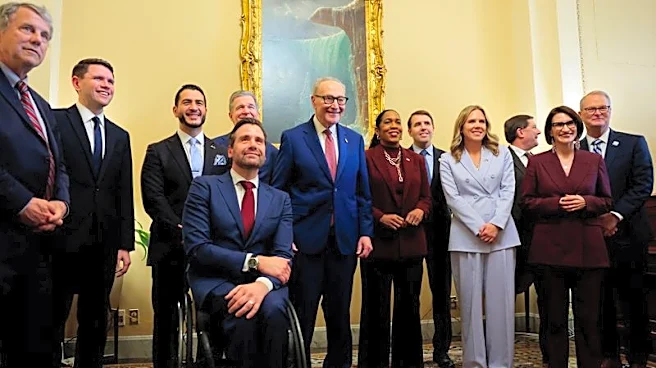
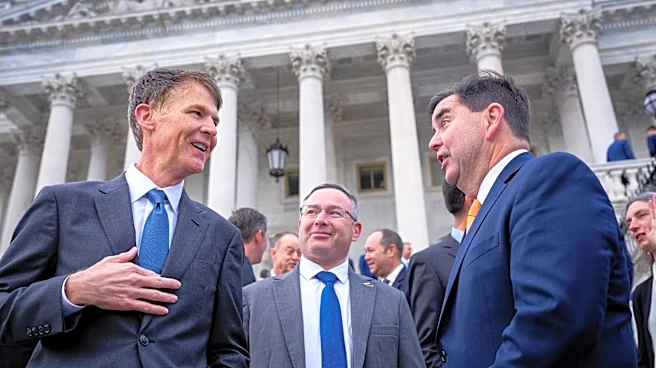
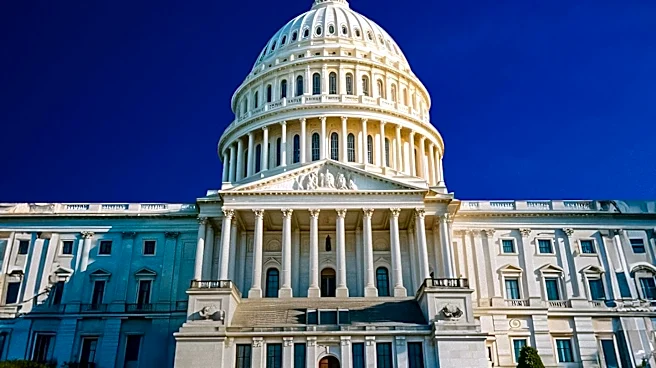
A group of 19 U.S. lawmakers, led by Congresswoman Grace Meng, has reintroduced the Diwali Day Act in the House of Representatives. This legislation aims to recognize Diwali, also known as Deepavali or the Festival of Lights, as a federal holiday in the United
States. The bill is supported by several Indian-origin representatives, including Raja Krishnamoorthi, Suhas Subramanyam, Shri Thanedar, Ro Khanna, and Ami Bera. Diwali is described in the proposed legislation as one of the most important annual observances for various religious groups, including Hindus, Sikhs, Jains, and Buddhists, and is celebrated by billions globally, particularly in South Asian, Southeast Asian, and Indo-Caribbean communities. Congresswoman Meng emphasized that the act seeks to educate Americans about the festival's significance and foster a more inclusive nation that respects diverse cultural traditions.
Why It's Important?
The reintroduction of the Diwali Day Act is significant as it represents a continued effort to acknowledge and integrate the cultural traditions of a growing segment of the U.S. population. If passed, Diwali would become the 12th federally recognized holiday, providing official recognition and a day off, which supporters believe would demonstrate the government's valuation of its citizens' diverse cultures. This move is particularly important given the reported rise in anti-Hindu and anti-South Asian hate, intimidation, and targeted violence across the U.S., including vandalism at places of worship and disruptions of celebrations. Recognizing Diwali as a federal holiday would send a powerful message that these communities are valued members of American society, promoting cultural inclusion and combating prejudice.
What's Next?
The Diwali Day Act will now proceed through the legislative process in the House of Representatives. Its passage would require approval from both the House and the Senate, followed by the President's signature. The bill has garnered endorsements from numerous organizations, including Asian Americans Advancing Justice, Asian American Federation, Coalition of Hindus of North America, and Hindus for Human Rights, indicating broad community support. Congresswoman Meng has also authored the Lunar New Year Day Act, suggesting a broader legislative agenda aimed at recognizing significant cultural holidays for Asian American communities. The progress of this bill will be closely watched by the diverse communities it seeks to honor, as well as by advocates for cultural recognition and inclusion.
Beyond the Headlines
Beyond the immediate impact of a new federal holiday, the Diwali Day Act touches upon deeper societal implications regarding cultural identity and national unity. The push for federal recognition of Diwali highlights the evolving demographic landscape of the U.S. and the increasing demand for public institutions to reflect this diversity. It also underscores the ongoing struggle against hate and discrimination faced by minority communities. By elevating Diwali to a federal holiday, the U.S. government would not only acknowledge a significant cultural event but also symbolically affirm its commitment to pluralism and respect for all its citizens' heritage. This could set a precedent for further recognition of other culturally significant holidays, fostering a more inclusive national identity.