









What's Happening?
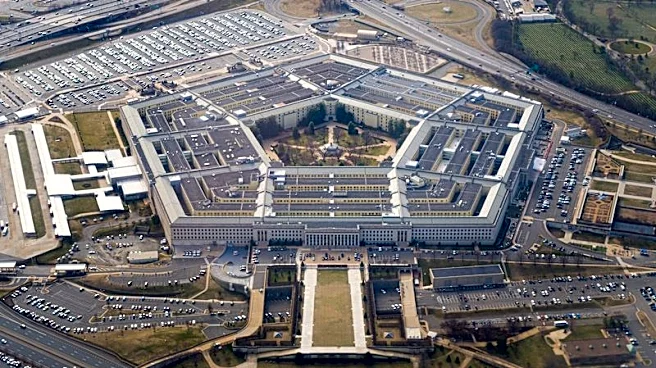
The Department of Defense has announced a mandatory testosterone screening program for U.S. service members, marking an unprecedented move in military health policy. The program aims to identify testosterone deficiencies and offer supplementation options.
However, concerns have been raised about potential unintended consequences, including health risks associated with testosterone therapy. The decision to implement widespread screening has sparked debate among medical experts, who emphasize the need for careful monitoring and individualized treatment plans to ensure the safety and well-being of service members.
Why It's Important?
The introduction of mandatory testosterone screening in the military could have significant implications for service members' health and military readiness. Testosterone levels can impact physical performance, mood, and overall health, making this initiative relevant to military operations. However, the potential risks associated with testosterone therapy, such as cardiovascular events and fertility issues, necessitate careful consideration. The program's success will depend on effective implementation and monitoring, as well as informed decision-making by service members regarding supplementation. This initiative may set a precedent for other population-level health screenings in the military.
What's Next?
The Department of Defense will need to establish protocols for monitoring testosterone levels and managing supplementation. This includes developing guidelines for identifying candidates for therapy and assessing potential side effects. The program may prompt further research into the long-term effects of testosterone supplementation in military populations. Stakeholders, including medical professionals and military leaders, will likely engage in ongoing discussions to refine the program and address concerns. The initiative may also influence broader health policy decisions regarding population-level screenings.
Beyond the Headlines
The ethical considerations of mandatory health screenings in the military are complex, involving issues of autonomy and informed consent. The program raises questions about the balance between individual health needs and military objectives. Additionally, the focus on testosterone levels may reflect broader societal trends in addressing aging and performance enhancement. The initiative could lead to increased scrutiny of military health policies and their impact on service members.