


What's Happening?
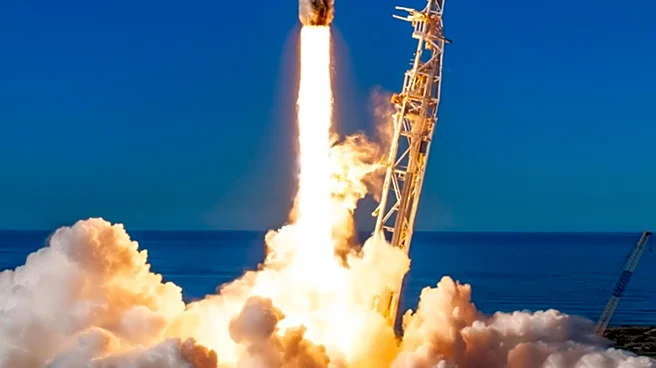
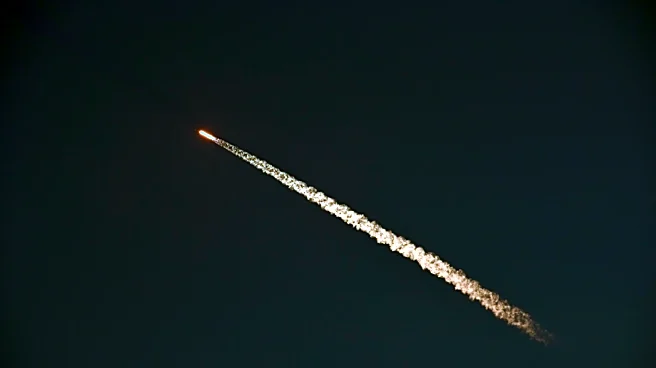
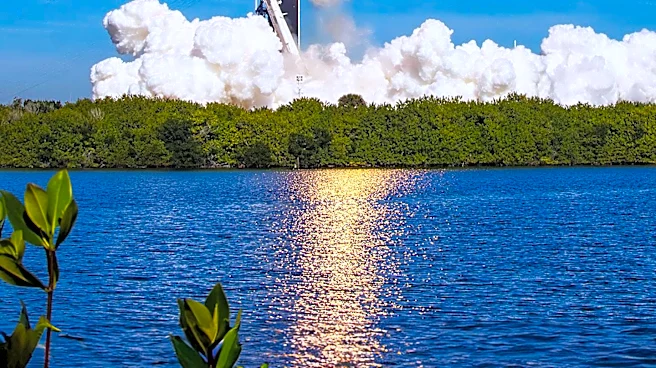
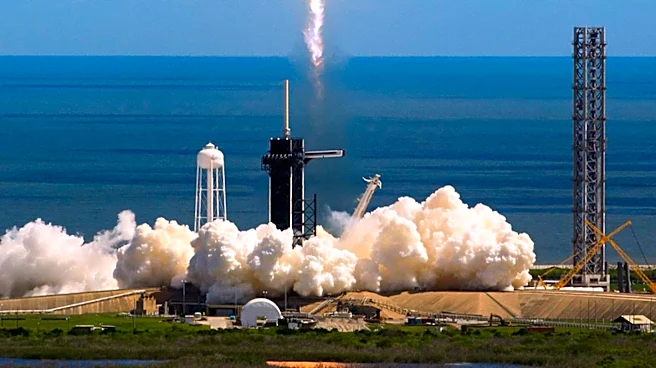
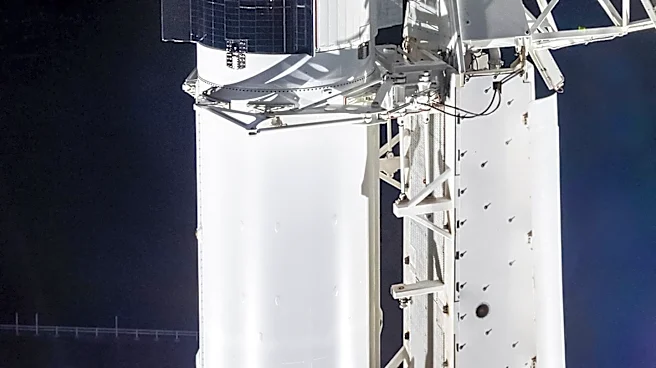
NASA's Crew-13 mission is set to launch to the International Space Station (ISS) from Cape Canaveral on September 12, 2026. The mission will be carried out using the SpaceX Dragon spacecraft, named Grace, which is making its second flight after debuting
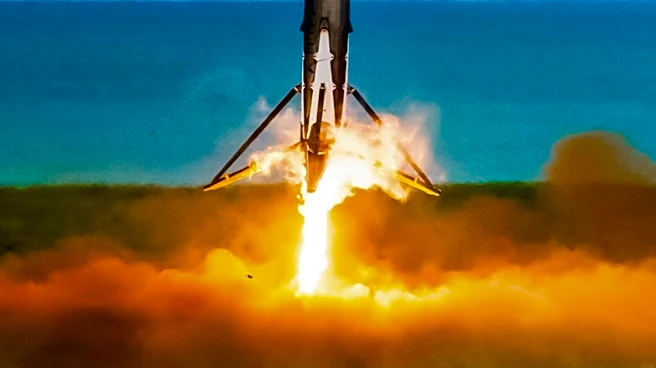
on the Axiom-4 mission in 2025. The crew consists of NASA astronauts Jessica Watkins and Luke Delaney, Canadian Space Agency astronaut Joshua Kutryk, and Roscosmos cosmonaut Sergey Teteryatnikov. Jessica Watkins, who previously flew on NASA's Crew-4, will command the mission, marking her as the first NASA astronaut to fly on the Dragon spacecraft twice. The Falcon 9 booster, which will launch Crew-13, has previously launched Crew-12 and a Starlink mission. The mission will include scientific research, spacewalks, and outreach activities during its six-month stay at the ISS.
Why It's Important?
The Crew-13 mission is significant as it continues the collaboration between NASA, SpaceX, and international space agencies, highlighting the ongoing commitment to space exploration and research. The mission will contribute to scientific advancements, particularly in areas such as heart disease and Parkinson's treatment through stem cell research. The involvement of international astronauts underscores the global nature of space exploration and the importance of international partnerships. Additionally, the mission's success could bolster confidence in the SpaceX Dragon spacecraft and its role in future space missions, potentially influencing the future of commercial space travel and international cooperation in space exploration.
What's Next?
Following the launch, the Crew-13 mission will focus on conducting scientific experiments and spacewalks at the ISS. The mission's success could pave the way for future collaborations and missions involving the SpaceX Dragon spacecraft. Additionally, the mission's outcomes may influence the planning and execution of subsequent missions, including the potential uncrewed mission of Boeing's Starliner later in the year. The results of the scientific research conducted during the mission could have long-term implications for medical treatments on Earth.