




What's Happening?
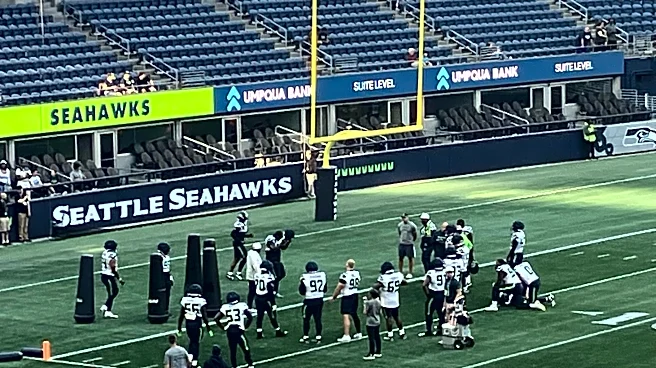
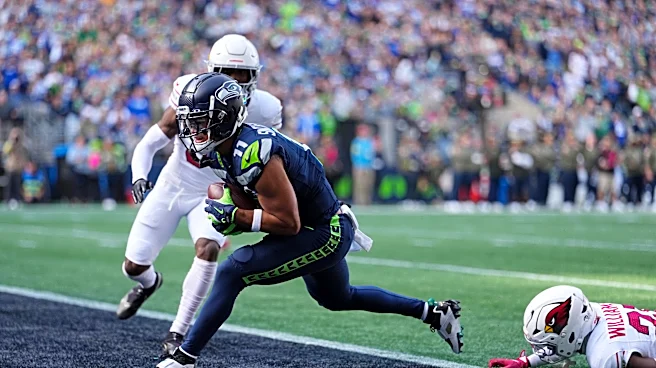
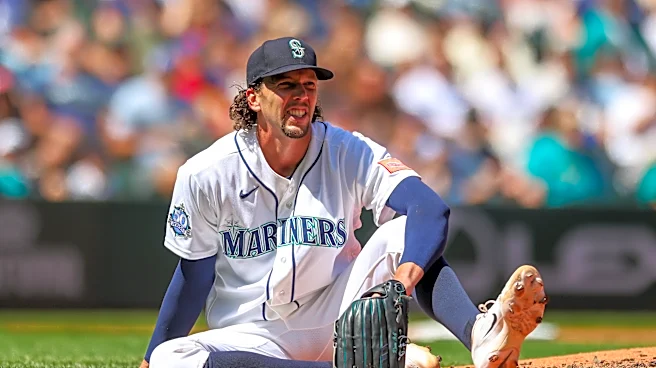
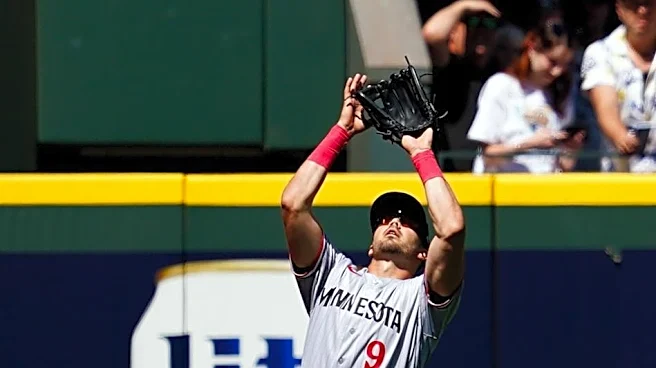
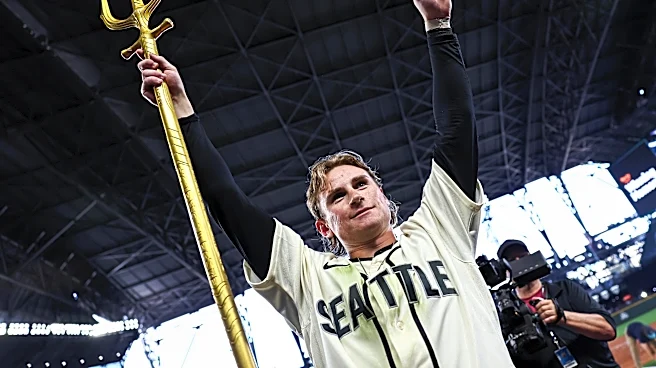
The Seattle Department of Transportation (SDOT) is preparing for significant traffic congestion as the Seattle Mariners celebrate their 50th season at T-Mobile Park and the Seahawks host a fan fest at Lumen Field simultaneously. Both events are expected
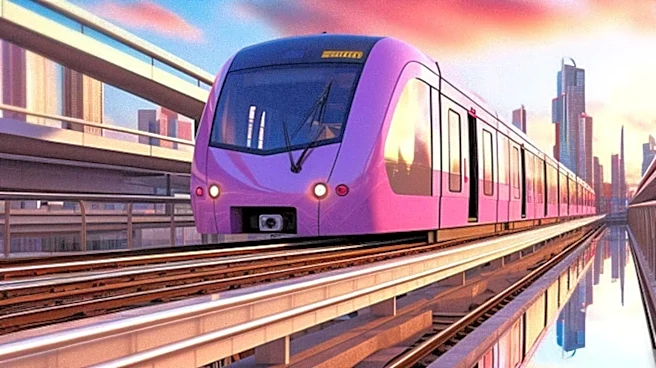
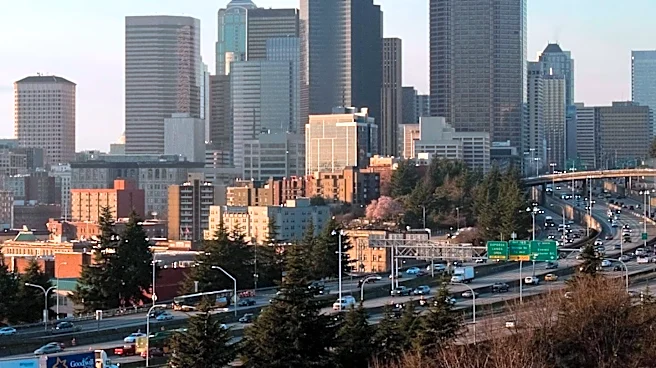
to draw large crowds to the Stadium District, creating potential traffic challenges. SDOT, along with the Seattle Police Department's traffic division, is implementing measures to manage the flow of traffic, including optimizing signal networks and using dynamic message signs to inform drivers of the events. SDOT spokesperson Ethan Bergerson acknowledged that while congestion is inevitable, efforts are being made to minimize its impact. Public transportation, such as light rail, is being promoted as a primary option for attendees to reduce the number of vehicles on the road.
Why It's Important?
The simultaneous hosting of major events in Seattle's Stadium District highlights the challenges urban areas face in managing traffic during large gatherings. Effective traffic management is crucial to ensure safety and minimize disruptions for residents and visitors. The measures taken by SDOT could serve as a model for other cities facing similar situations. Additionally, promoting public transportation as a viable alternative can help reduce carbon emissions and alleviate traffic congestion, contributing to broader environmental and urban planning goals. The success of these efforts could influence future transportation policies and infrastructure investments in Seattle and beyond.
What's Next?
As the events approach, SDOT will continue to monitor traffic conditions and adjust signal timings in real-time to optimize flow. The department will also collaborate with the Seattle Police Department to direct traffic and ensure safety. Attendees are encouraged to plan their travel in advance, considering public transportation options and potential delays. The outcomes of this traffic management effort may inform future strategies for handling large-scale events in Seattle, potentially leading to permanent infrastructure improvements or policy changes to better accommodate such gatherings.