


What's Happening?
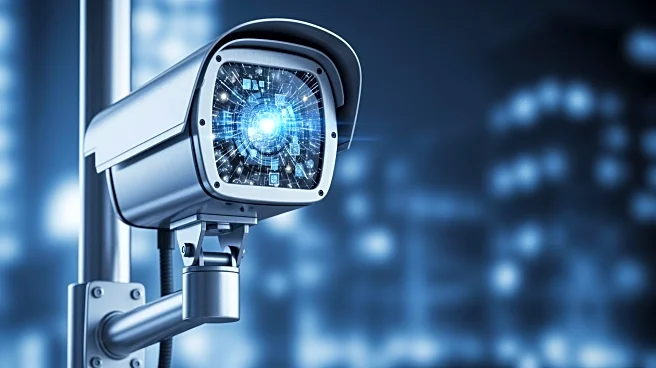
Immigration and Customs Enforcement (ICE) agents are employing a range of surveillance technologies to enhance their operations in identifying and detaining individuals. According to a report, these technologies include license plate readers, facial recognition
tools, and cellphone apps that connect to law enforcement databases. A notable tool in use is ELITE, developed by Palantir, which allows agents to create dossiers on individuals and predict their presence in specific areas. This technology aids in decision-making about whether to continue monitoring a scene or move to another target. Additionally, ICE agents have access to mobile forensic technology, such as Cellebrite, which can extract data from unlocked phones, including messages and app information. These tools are used to track protestors and legal observers, raising concerns about privacy and civil liberties.
Why It's Important?
The use of advanced surveillance technology by ICE has significant implications for privacy and civil liberties in the United States. While these tools enhance the agency's ability to enforce immigration laws, they also raise concerns about the potential for overreach and misuse. The ability to track individuals' movements and access personal data without their consent poses ethical and legal questions. This development could impact public trust in law enforcement and government agencies, particularly among immigrant communities and civil rights advocates. The balance between national security and individual privacy rights is a contentious issue, and the deployment of such technologies may lead to increased scrutiny and calls for regulatory oversight.
What's Next?
As ICE continues to utilize these technologies, there may be increased pressure from civil rights organizations and lawmakers to establish clearer guidelines and oversight mechanisms. Legal challenges could arise, questioning the constitutionality of such surveillance practices. Public discourse around privacy rights and government surveillance is likely to intensify, potentially influencing future legislation. Stakeholders, including technology companies, may also face scrutiny regarding their role in providing these tools to law enforcement agencies. The ongoing debate will likely focus on finding a balance between effective law enforcement and the protection of individual freedoms.
Beyond the Headlines
The deployment of surveillance technology by ICE highlights broader societal issues related to technology and privacy. As technology advances, the potential for its use in monitoring and controlling populations increases, raising ethical concerns. This situation underscores the need for robust legal frameworks to govern the use of such technologies, ensuring they are used responsibly and transparently. The implications extend beyond immigration enforcement, touching on broader themes of digital rights and the role of technology in modern governance. The conversation around these issues is likely to shape future policy decisions and public attitudes toward surveillance and privacy.