




What's Happening?
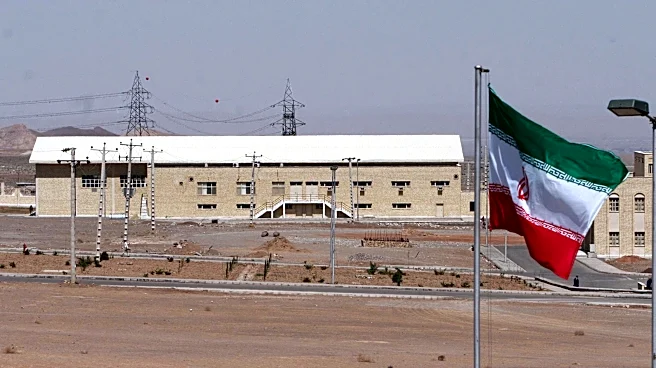
The U.S. government, through the State Department's Rewards for Justice program, has announced a reward of up to $20 million for information concerning Iran's nuclear program. This initiative seeks details on Iran's nuclear facilities, equipment, and
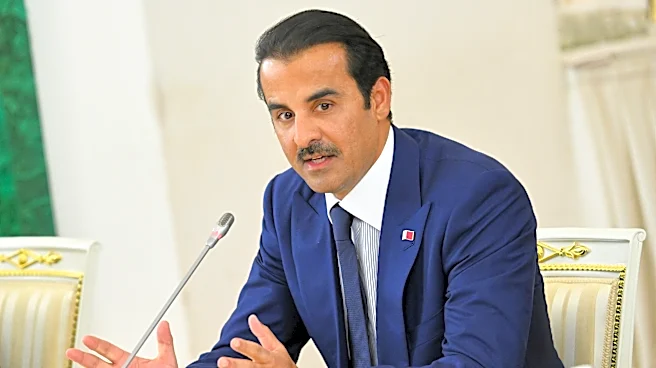
individuals or organizations associated with the program, including scientists across the Middle East and North Africa. The announcement comes amidst continued U.S.-Iran tensions and ongoing diplomatic efforts, with Qatar mediating proposals to resolve differences regarding Tehran's nuclear activities. The Rewards for Justice program emphasizes the U.S. commitment to preventing Iran from developing nuclear weapons. The International Atomic Energy Agency (IAEA) reported in 2025 that Iran was enriching uranium to 60% purity, a level considered a short technical step from the 90% required for weapons-grade uranium. The IAEA has also noted a loss of 'continuity of knowledge' regarding Iran's production and inventory of key nuclear components due to non-compliance with safeguards obligations.
Why It's Important?
This reward offer underscores the U.S. government's serious concerns about Iran's nuclear ambitions and its proactive approach to intelligence gathering. The potential for Iran to develop nuclear weapons poses a significant threat to regional stability in the Middle East and global security, impacting U.S. foreign policy and national security interests. By offering a substantial reward, the U.S. aims to incentivize individuals with critical information to come forward, potentially disrupting Iran's nuclear development efforts. The ongoing diplomatic efforts, despite the U.S. carrying out strikes on Iran, highlight the complex and multifaceted nature of the relationship. The IAEA's reports on Iran's uranium enrichment levels and loss of oversight further emphasize the urgency of the situation, indicating a potential escalation in Iran's nuclear capabilities that could necessitate a stronger international response and impact global non-proliferation efforts.
What's Next?
The Rewards for Justice program will continue to accept tips through its secure channels, and the effectiveness of this initiative will depend on the quality and volume of information received. The U.S. government will likely analyze any incoming intelligence to assess Iran's nuclear progress and potentially adjust its diplomatic and security strategies. International bodies, such as the IAEA, will continue to monitor Iran's nuclear activities and report on its compliance with international safeguards. The ongoing mediation efforts by countries like Qatar will also be crucial in determining the future trajectory of U.S.-Iran relations and any potential resolution to the nuclear program dispute. The situation remains fluid, with the possibility of further diplomatic engagements, sanctions, or even military actions depending on developments related to Iran's nuclear program.
Beyond the Headlines
The U.S. reward offer for information on Iran's nuclear program extends beyond immediate intelligence gathering, touching upon broader ethical and geopolitical considerations. It raises questions about the role of intelligence in preventing nuclear proliferation and the ethical implications of incentivizing individuals to provide sensitive information. The long-term impact of such a program could influence the dynamics of international espionage and intelligence sharing. Furthermore, the persistent tensions with Iran, coupled with its nuclear advancements, highlight the challenges of non-proliferation in a complex geopolitical landscape. This situation could also lead to increased scrutiny of nuclear programs in other nations, potentially shaping future international arms control treaties and verification mechanisms. The emphasis on preventing nuclear weapons development reflects a global concern for maintaining peace and stability, with the U.S. taking a leading role in addressing this critical issue.