





What's Happening?
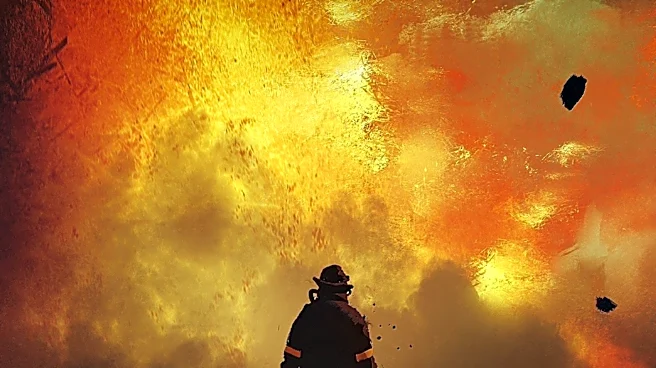
A Midvale, Utah, family, led by Sam Uthaichai, is in the process of rebuilding their lives after their apartment was destroyed by fire. Uthaichai realized something was wrong when he missed multiple calls from his wife, who was evacuating their apartment with
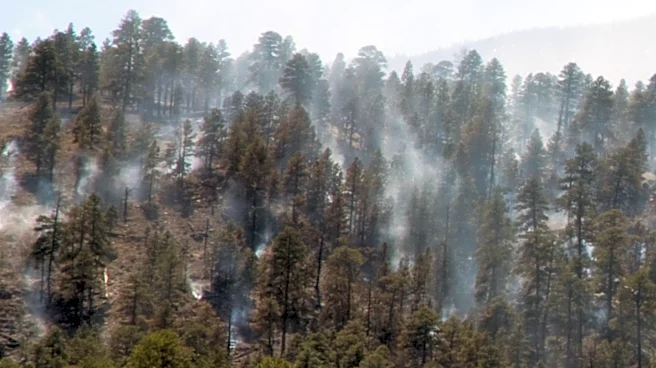
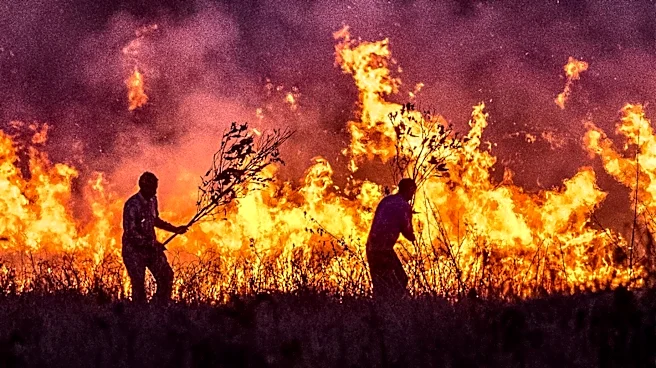
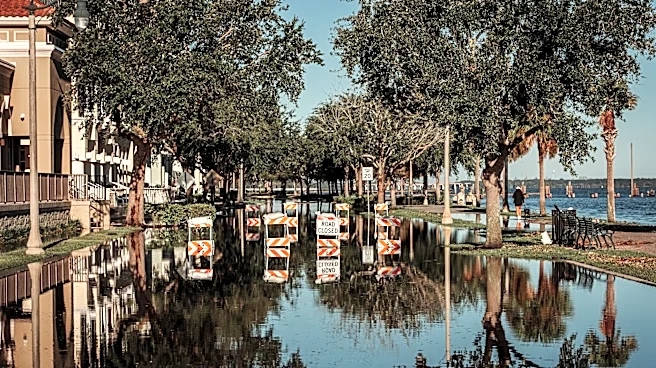
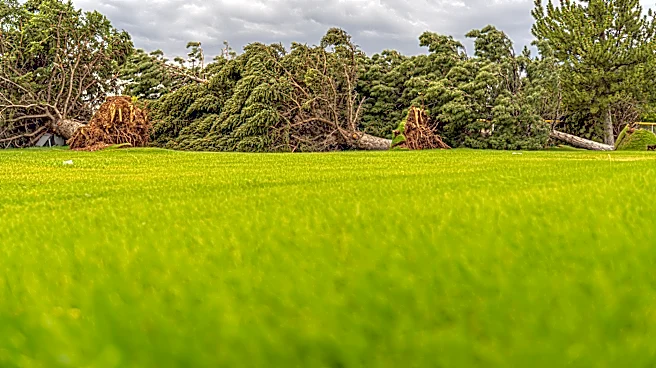
their young daughter. Upon arriving home, he found his family and neighbors watching their homes burn. While his wife and daughter escaped safely, the experience was traumatic, with his daughter freezing in a closet due to the alarms. The family lost all their belongings and is currently residing in a friend's basement. The American Red Cross was among the first responders, offering shelter, meals, and emotional support to displaced families. This Midvale fire is one of many disasters, including wildfires and flooding, that have kept the Red Cross exceptionally busy across Utah this summer. Heidi Ruster, regional CEO for the American Red Cross, noted the continuous stream of emergencies, straining resources despite 90% of their workforce being volunteers.
Why It's Important?
This incident underscores the increasing frequency and impact of natural and accidental disasters on American families and the critical role of humanitarian organizations like the American Red Cross. The Uthaichai family's experience highlights the immediate and long-term challenges faced by those who lose their homes and possessions, from the emotional trauma to the practical difficulties of rebuilding. The strain on the Red Cross, as indicated by CEO Heidi Ruster, signals a broader trend of escalating disaster response needs, which has significant implications for resource allocation, volunteer recruitment, and funding for such organizations. This situation also brings to light the importance of disaster preparedness for individual families, as emphasized by Uthaichai, and the need for robust community support systems to aid recovery efforts. The continuous demand for disaster relief services across Utah reflects a national pattern of communities grappling with the consequences of various environmental events.
What's Next?
The Uthaichai family will continue their journey of rebuilding, which involves navigating the complexities of insurance claims, finding permanent housing, and replacing lost belongings. Their experience may serve as a catalyst for increased awareness and action regarding disaster preparedness within their community. For the American Red Cross, the busy disaster season is likely to persist, necessitating ongoing efforts to secure funding, recruit and train volunteers, and adapt their response strategies to meet continuous demand. The organization will need to replenish its resources and potentially seek additional financial assistance to sustain its operations. This ongoing strain could also prompt discussions at local and state levels about enhancing disaster resilience, improving emergency response coordination, and supporting organizations that provide critical aid during crises.
Beyond the Headlines
The story of the Uthaichai family and the Red Cross's stretched resources points to a deeper societal challenge: the growing vulnerability of communities to various forms of disaster. Beyond the immediate physical and financial losses, the psychological impact on individuals, especially children, is profound and long-lasting. The daughter's reaction to the fire highlights the often-overlooked emotional trauma that requires specialized support. The reliance on volunteer-driven organizations like the Red Cross, while commendable, also raises questions about the sustainability of such models in the face of escalating and more frequent emergencies. This situation could spark broader conversations about climate change's role in increasing disaster frequency, the adequacy of current disaster relief infrastructure, and the need for more comprehensive national strategies for preparedness, response, and long-term recovery, ensuring that no family is left to face such devastation alone.