




What's Happening?
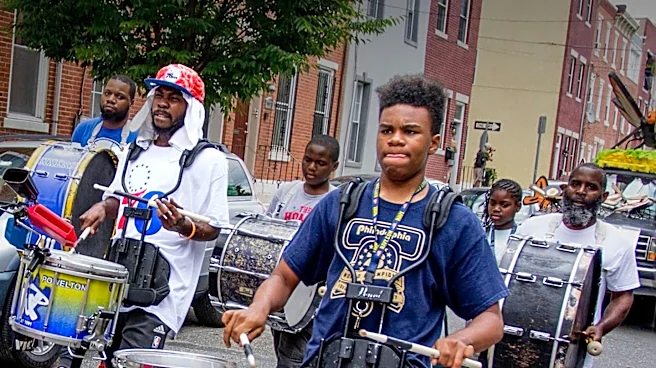
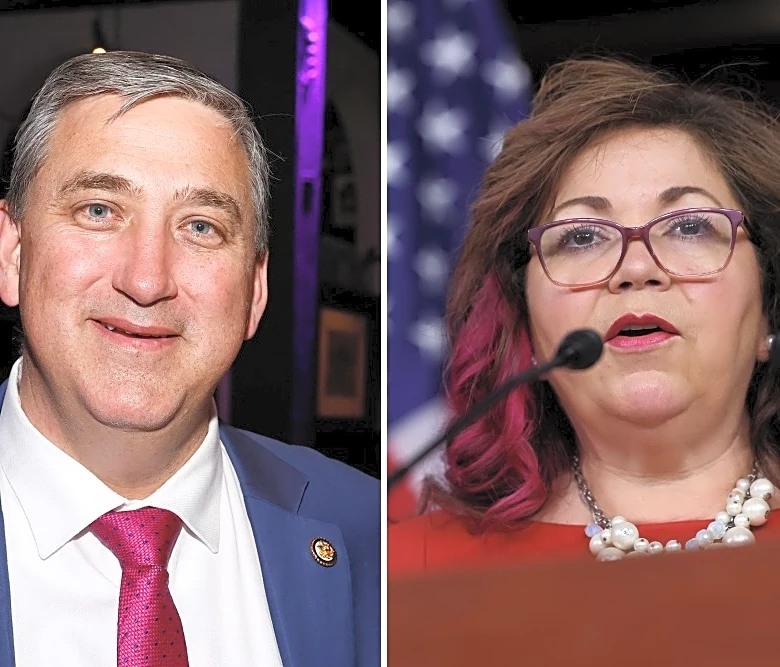
U.S. Representative Mary Gay Scanlon, a Democratic representative from Pennsylvania, was scheduled to participate in the 39th Annual Tri-State Labor Day Parade in Philadelphia. The event, hosted by the Philadelphia Council AFL-CIO, celebrated local workers
and their contributions to the region's economy. The parade, which included a pre-march rally and a post-march festival at the Sheet Metal Workers Local 19 union hall, saw thousands of union members, their families, and supporters gather along Columbus Boulevard in South Philadelphia. Other notable political figures scheduled to attend included Philadelphia Mayor Cherelle Parker and Pennsylvania Lieutenant Governor Austin Davis. The festival provided a setting for union members, community partners, and elected officials to convene on the South Philadelphia waterfront. The event aimed to recognize the significant role of workers throughout the region, with the Philadelphia Council AFL-CIO representing over 100 local unions and approximately 150,000 workers across the tri-state area.
Why It's Important?
The participation of U.S. Representative Mary Gay Scanlon and other elected officials in the Labor Day Parade underscores the ongoing political significance of organized labor in the U.S., particularly in key states like Pennsylvania. Labor Day parades serve as a visible demonstration of union strength and solidarity, which can influence political discourse and policy-making. For politicians, attending such events provides an opportunity to connect with a crucial voting bloc and reaffirm their support for workers' rights and economic issues. The Philadelphia Council AFL-CIO, representing a substantial number of workers, wields considerable influence in local and state elections. The event highlights the continued relevance of unions in advocating for their members' interests, even as national union membership rates have seen a long-term decline from historical highs. This engagement is vital for maintaining the political leverage of labor organizations and ensuring their concerns are addressed by elected representatives.
What's Next?
The participation of Representative Scanlon and other officials in the Labor Day Parade is likely to be followed by continued legislative efforts and political engagement focused on labor issues. Union leaders and their political allies will likely leverage the visibility of such events to push for policies that benefit workers, such as improved wages, benefits, and working conditions. As midterm elections approach, the emphasis on voter mobilization among union members, as highlighted by Scanlon's past activities, will intensify. This could translate into increased support for candidates who champion labor-friendly legislation. The ongoing dialogue between elected officials and labor organizations will shape future policy debates concerning economic equity, job security, and the role of unions in the national economy. The event also sets a precedent for future collaborations between political figures and labor groups in addressing regional and national challenges.
Beyond the Headlines
Beyond the immediate celebration of labor, the parade and the presence of figures like Representative Scanlon reflect deeper societal and economic trends. The event serves as a reminder of the historical struggle for workers' rights and the enduring importance of collective action in shaping economic justice. While national union membership has declined over decades, the strong showing in Philadelphia indicates that organized labor remains a potent force in specific regions and industries. The involvement of politicians also highlights the symbiotic relationship between labor movements and political parties, where mutual support can lead to policy changes. The ongoing construction along the parade route, such as the I-95 CAP project, also subtly connects labor to infrastructure development and urban transformation, showcasing how unionized labor often plays a critical role in large-scale public works. This intersection of labor, politics, and urban development reveals the complex dynamics that influence the lives of working Americans.