





What's Happening?
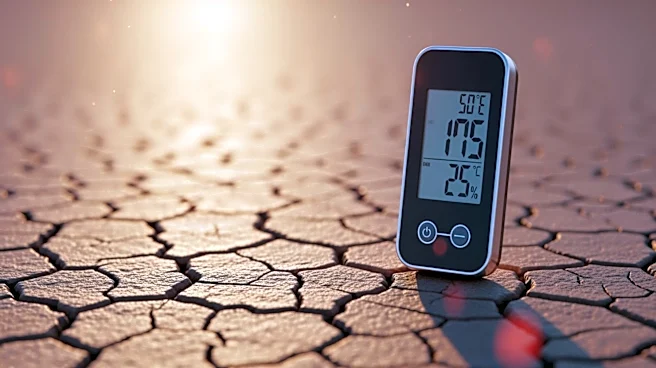
A significant heatwave is set to impact California and Arizona, with temperatures expected to soar as high as 114 degrees Fahrenheit. This unusual heat for early May has prompted the National Weather Service to issue a series of extreme heat warnings
and advisories across the region. The affected areas include the southeastern California and southern Arizona deserts, such as the Imperial Valley, Salton Sea area, Yuma, and Coachella Valley. In these regions, temperatures are forecasted to range from 100 to 114 degrees through Sunday and Monday. The heatwave is particularly concerning as it arrives before many residents have acclimatized to such extreme conditions, increasing the risk of heat-related illnesses. Medical experts warn that even short periods of extreme heat can lead to serious health issues, including heat exhaustion and heat stroke. The Environmental Protection Agency has also highlighted the 'urban heat island' effect, which exacerbates the situation by trapping heat in urban areas, preventing nighttime cooling.
Why It's Important?
The impending heatwave poses significant health risks to millions of residents in California and Arizona. The extreme temperatures can strain multiple body systems, leading to increased hospitalizations and potentially fatal outcomes. The situation is further complicated by existing air quality alerts, which, when combined with the heat, create a dual threat to public health. Vulnerable populations, such as the elderly, children, and those with pre-existing health conditions, are particularly at risk. The heatwave also underscores the broader challenges posed by climate change, as such extreme weather events become more frequent and severe. This situation demands urgent attention from public health officials and policymakers to implement measures that can mitigate the impact on affected communities.
What's Next?
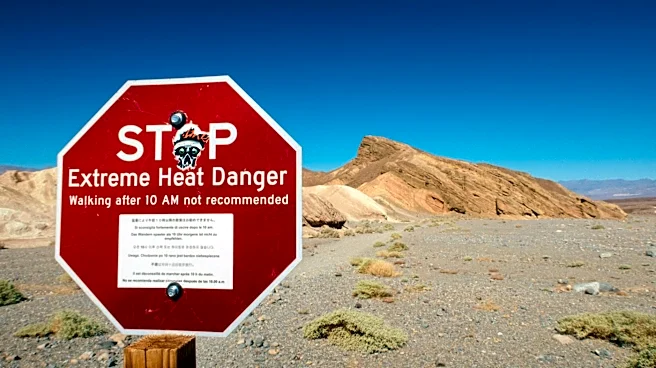
Residents in the affected areas are being urged to take precautions to protect themselves from the heat. Recommended actions include staying hydrated, avoiding strenuous outdoor activities during peak heat hours, using air conditioning or visiting cooling centers, and wearing lightweight clothing. Authorities are also advising people to check on vulnerable neighbors and ensure that children and pets are not left in vehicles. As the heatwave progresses, public health officials will likely continue to monitor the situation closely and provide updates and guidance to the public. The response to this heatwave could also influence future strategies for dealing with similar extreme weather events, highlighting the need for improved infrastructure and community preparedness.