





What's Happening?
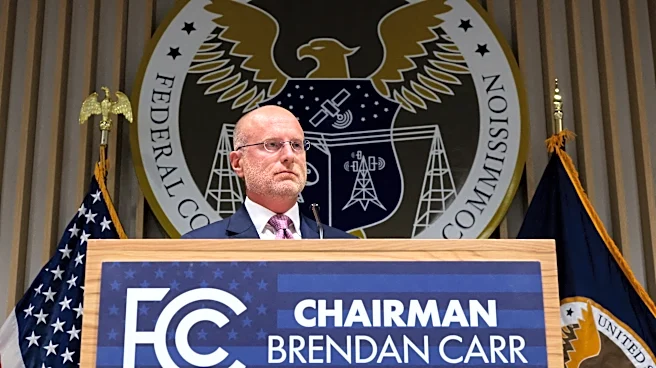
The Federal Communications Commission (FCC) is proposing fines exceeding $10 million against two Lifeline program providers, AirVoice Wireless and TAG Mobility, for allegedly claiming federal subsidies improperly. The companies, which share common ownership,
are accused of submitting reimbursement requests for duplicate subscribers, making false certifications, and providing false statements. These proposed fines include $2.67 million against AirVoice Wireless and $7.45 million against TAG Mobility. The FCC's Enforcement Bureau initiated investigations in March after the agency's Office of Inspector General (OIG) raised concerns about waste, fraud, and abuse within the Lifeline program. The Lifeline program, which provides discounted phone and internet services to qualifying low-income consumers, accounts for nearly $1 billion in annual spending. The OIG's advisory highlighted that providers received approximately $5 million in Lifeline support for services provided to 117,000 deceased individuals, with a significant majority (81%) of these cases occurring in California. Consequently, the FCC revoked California's opt-out status from the federal National Verifier system.
Why It's Important?
This action by the FCC underscores its commitment to safeguarding federal funds and ensuring the integrity of critical social programs like Lifeline. The proposed fines highlight the vulnerability of large-scale subsidy programs to fraud and abuse, which can divert resources intended for low-income individuals. The OIG's findings regarding payments for deceased subscribers, particularly in California, reveal systemic weaknesses that necessitate stricter oversight and verification processes. The FCC's decision to revoke California's opt-out status from the National Verifier system signals a move towards a more centralized and robust verification mechanism to prevent future fraudulent claims. This could set a precedent for other states currently operating outside the federal system, potentially leading to a nationwide standardization of eligibility verification. The case also emphasizes the financial implications of such fraud, as millions of taxpayer dollars are at stake, impacting the program's ability to serve its intended beneficiaries effectively.
What's Next?
The proposed fines against AirVoice Wireless and TAG Mobility are not yet final. Both companies will have an opportunity to respond to the allegations before the FCC takes further action. Meanwhile, Texas is actively seeking to preserve its opt-out status from the federal National Verifier system, arguing that its state-run eligibility system has a strong record of accurately identifying eligible Lifeline subscribers, with audit error rates remaining below 0.17%. Texas has also implemented a LexisNexis Risk Solutions process to identify potentially deceased subscribers, addressing concerns raised by the OIG. If the FCC decides to eliminate Texas's opt-out status, the Public Utility Commission of Texas (PUCT) has requested a transition period of six to twelve months to educate consumers about separate state and federal Lifeline applications and coordinate with the Universal Service Administrative Co. (USAC). The FCC's final decisions regarding these cases and state opt-out statuses will shape the future administration and oversight of the Lifeline program.
Beyond the Headlines
The ongoing investigations and proposed fines against Lifeline providers bring to light broader ethical and administrative challenges within government subsidy programs. The issue of deceased individuals receiving benefits points to a critical need for more frequent and accurate data cross-referencing between federal and state agencies. Beyond the financial fraud, there's an ethical dimension concerning the exploitation of programs designed to assist vulnerable populations. The debate over state versus federal control in verifying eligibility, as seen with California and Texas, highlights the tension between local autonomy and the need for standardized, robust oversight to prevent fraud. This situation could prompt a re-evaluation of how federal programs are administered at the state level, potentially leading to more stringent federal mandates for data sharing and verification. The long-term implications could include increased public scrutiny of government spending on social welfare programs and a push for greater transparency and accountability from both providers and regulatory bodies.