


What's Happening?
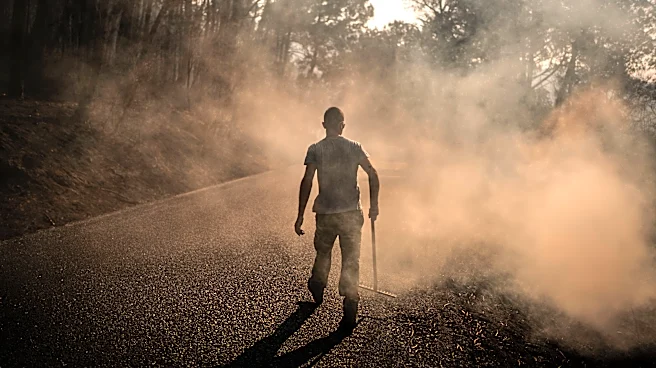
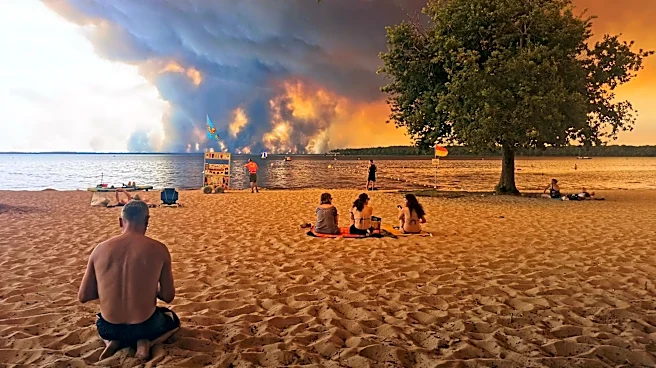
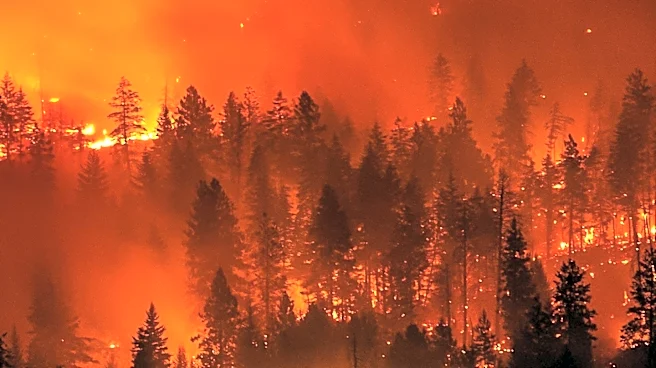
While Europe and North America are experiencing more extreme wildfires, global burning statistics are at a record low due to decreased fire activity in Africa and Asia. This paradox is attributed to changes in agricultural practices and fire management
in these regions. In contrast, climate change is exacerbating fire conditions in Europe and North America, leading to larger, more intense fires. The developing El Nino weather pattern is expected to further impact fire activity, particularly in tropical regions.
Why It's Important?
The contrasting trends in wildfire activity highlight the complex interplay between human actions and natural phenomena. While improved fire management in Africa and Asia contributes to global reductions, climate change is intensifying fire conditions elsewhere. This situation underscores the need for comprehensive strategies to address both local and global fire risks. Understanding these dynamics is crucial for policymakers and environmentalists working to mitigate the impacts of climate change and protect vulnerable ecosystems.
What's Next?
As El Nino develops, regions prone to tropical fires may experience increased activity, prompting governments to prepare for potential impacts. In North America and Europe, efforts to adapt to worsening fire conditions will involve enhancing fire management practices and investing in climate resilience. The global community may need to collaborate on strategies to balance fire suppression with ecological preservation, ensuring sustainable land use and reducing carbon emissions.