



What's Happening?
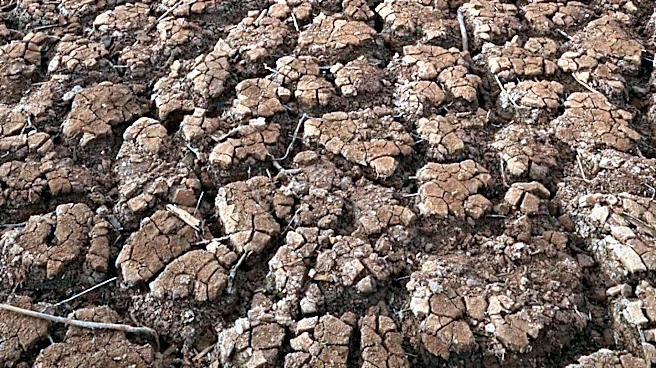
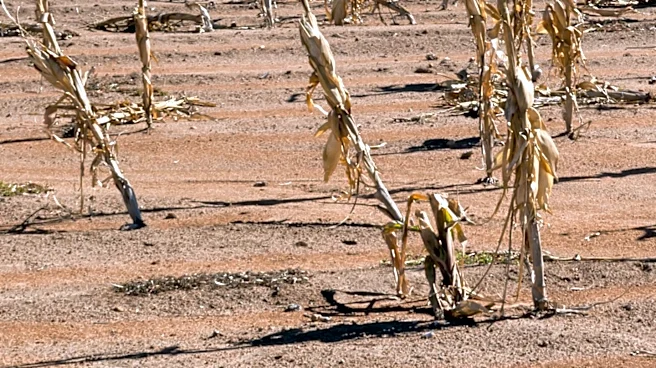
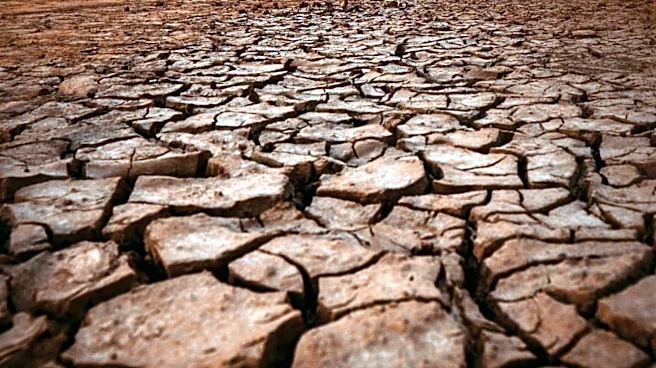
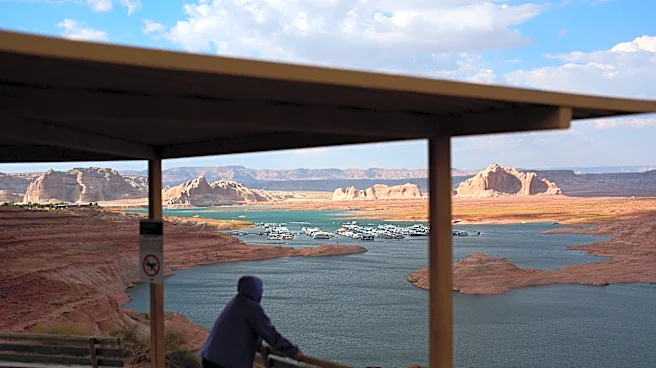
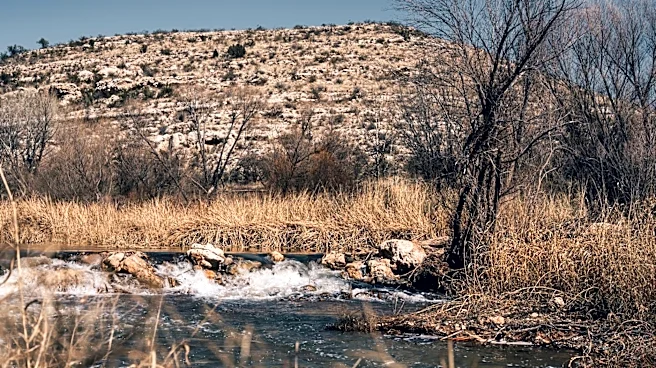
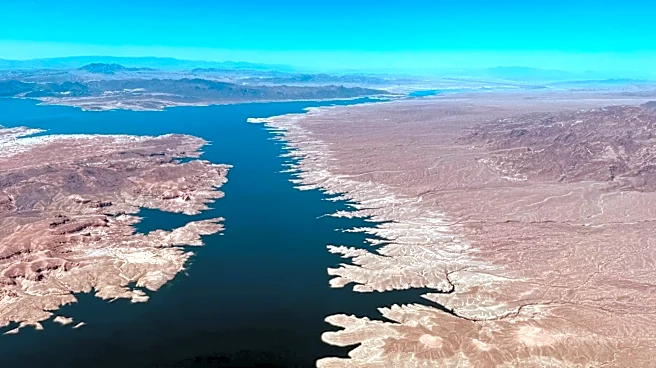
Ranchers in Colorado are facing significant challenges as a severe drought continues to impact the region. Record-high temperatures and historically low snowpack levels have led to critically low water levels in creeks and reservoirs across the state.
This has resulted in stream flows being the second lowest on record, severely affecting the availability of water for agricultural purposes. As a consequence, many ranchers are being forced to sell their cattle earlier than planned due to the lack of water and feed. The drought conditions are exacerbating the financial strain on the agricultural community, which relies heavily on water resources for livestock and crop production.
Why It's Important?
The ongoing drought in Colorado has far-reaching implications for the agricultural sector and the broader economy. The forced sale of cattle due to water shortages can lead to a decrease in cattle prices, affecting ranchers' profitability and potentially leading to financial instability for those dependent on livestock farming. Additionally, the drought highlights the vulnerability of agricultural systems to climate variability and the need for sustainable water management practices. The situation also underscores the importance of developing strategies to mitigate the impacts of climate change on agriculture, which is a critical component of the U.S. economy.
What's Next?
As the drought persists, ranchers and policymakers may need to explore alternative water management strategies and consider long-term solutions to enhance water resilience in agriculture. This could involve investing in water conservation technologies, diversifying crops, and implementing policies that support sustainable farming practices. Additionally, there may be increased advocacy for federal and state assistance to support affected farmers and ranchers. The situation may also prompt discussions on climate adaptation measures to protect the agricultural sector from future climate-related challenges.