



What's Happening?
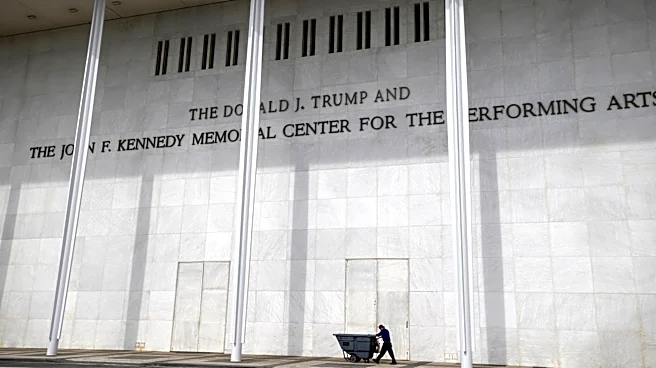
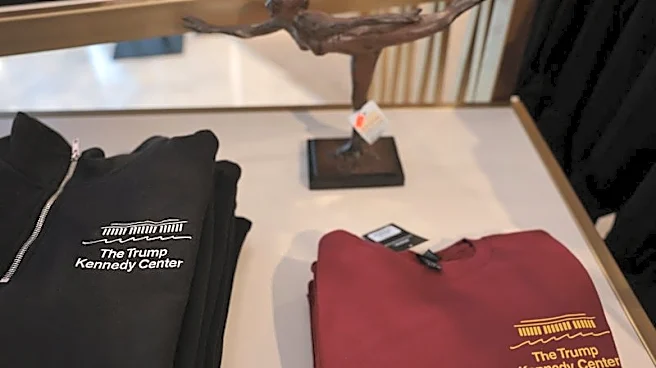
The board of the Kennedy Center, appointed by President Donald Trump, is attempting to delay a court ruling that mandates the removal of Trump's name from the center's facade. This action follows a decision by U.S. District Judge Christopher Cooper, who
ruled on May 29 that the addition of Trump's name was illegal and that only Congress could authorize such a change. The board voted to seek a stay on this ruling, filing a formal request late Thursday. The ruling also prevents the administration from proceeding with planned major renovations of the venue. The Kennedy Center has already begun removing Trump's name from its website and official communications. The board's decision to seek a stay comes amid criticism from various artists and board members, who argue that the move lacks legal standing.
Why It's Important?
This development is significant as it highlights ongoing tensions between the Trump administration and cultural institutions. The attempt to retain Trump's name on the Kennedy Center reflects broader political and cultural conflicts, with implications for how public institutions are named and managed. The controversy has led to backlash from the arts community, with several artists and consultants withdrawing from engagements at the center. The case also underscores the legal complexities involved in renaming public institutions, emphasizing the role of Congress in such decisions. The outcome of this legal battle could set a precedent for future cases involving the naming rights of public venues.
What's Next?
The next steps involve the court's decision on whether to grant the stay requested by the Kennedy Center board. If the stay is denied, the center will need to comply with the court's order to remove Trump's name. The board's actions may prompt further legal challenges and public debate. Additionally, the response from Congress and other stakeholders will be crucial in determining the future of the Kennedy Center's naming rights. The situation may also influence how other cultural institutions navigate similar issues in the future.