






What's Happening?
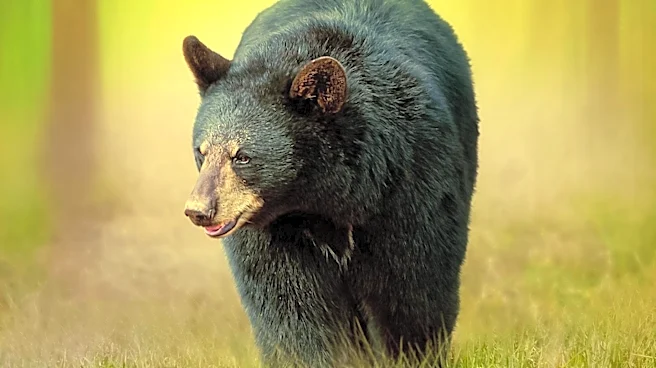
The Maine Department of Inland Fisheries and Wildlife has issued guidelines for residents and visitors on how to safely handle encounters with black bears. With Maine hosting the largest black bear population in the eastern United States, the department
receives numerous reports of bear sightings each year. The guidelines advise people to make themselves appear larger and make noise to scare bears away, avoid storing food in tents while camping, and secure garbage and other attractants at home. These measures aim to minimize human-bear interactions and ensure safety for both people and wildlife.
Why It's Important?
Understanding how to safely coexist with black bears is crucial for residents and visitors in Maine, where bear encounters are relatively common. Properly managing attractants and knowing how to respond to bear sightings can prevent conflicts and reduce the risk of harm to both humans and bears. These guidelines also emphasize the importance of preserving wildlife habitats and maintaining ecological balance. By educating the public on best practices, the department aims to foster a harmonious relationship between people and the natural environment, promoting conservation and safety.
What's Next?
The Maine Department of Inland Fisheries and Wildlife will likely continue its efforts to educate the public about living with black bears, possibly expanding outreach programs and collaborating with local communities. The department may also monitor bear populations and human-bear interactions to assess the effectiveness of current guidelines and make necessary adjustments. As awareness increases, residents and visitors may become more proactive in implementing preventive measures, contributing to a safer and more sustainable coexistence with wildlife.