
What's Happening?
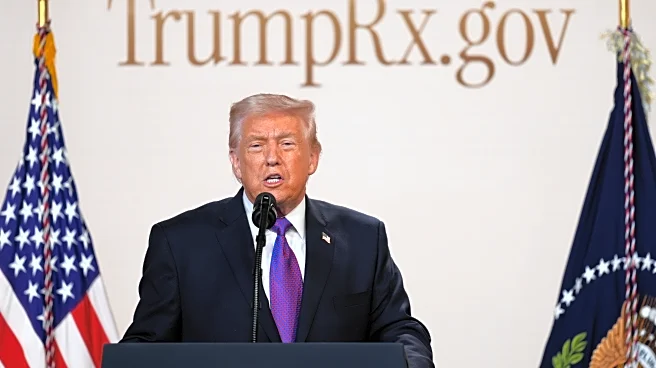
The Trump administration has introduced a new drug pricing model aimed at expanding coverage for GLP-1 medications, which are used to treat obesity and diabetes, under Medicare Part D and state Medicaid
programs. This initiative, announced by the Centers for Medicare & Medicaid Services (CMS), seeks to negotiate directly with pharmaceutical manufacturers to secure lower net prices and standardized coverage terms for these drugs. The model includes provisions for guaranteed net pricing, potential out-of-pocket limits for beneficiaries, and evidence-based lifestyle support offerings. This move builds on President Trump's previous efforts to lower U.S. drug prices by aligning them with international rates. The voluntary model is set to launch in Medicaid by May 2026 and in Medicare Part D by January 2027.
Why It's Important?
This initiative represents a significant step in addressing the high cost of prescription drugs in the U.S., particularly for chronic conditions like obesity and diabetes. By potentially lowering drug prices and expanding coverage, the program could improve access to essential medications for millions of Americans, particularly those on Medicare and Medicaid. This could lead to better health outcomes and reduced healthcare costs in the long term. The program also reflects ongoing efforts by the Trump administration to reform the healthcare system and make it more affordable for Americans.
What's Next?
The CMS has issued a request for applications from pharmaceutical manufacturers, with a deadline of January 8, 2026. The success of this program will depend on the willingness of manufacturers, states, and plans to participate. If successful, this model could serve as a blueprint for future drug pricing reforms and influence broader healthcare policy discussions. Stakeholders, including healthcare providers, patient advocacy groups, and policymakers, will likely monitor the program's implementation and impact closely.