



What's Happening?
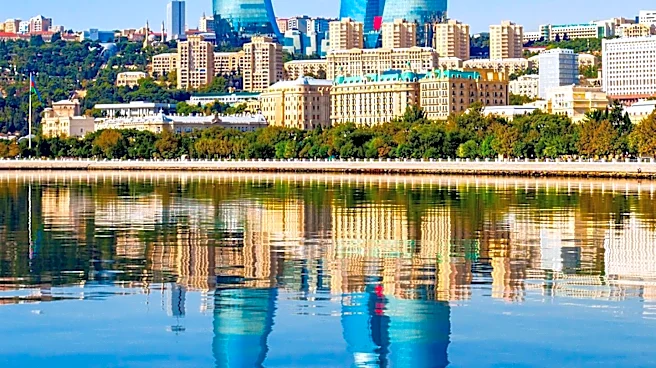
Azerbaijan is emerging as a key player in the global gas market, particularly in light of the ongoing conflict in the Middle East. The country is strategically positioned between the Caspian Sea, Europe, and Central Asia, allowing it to play a significant
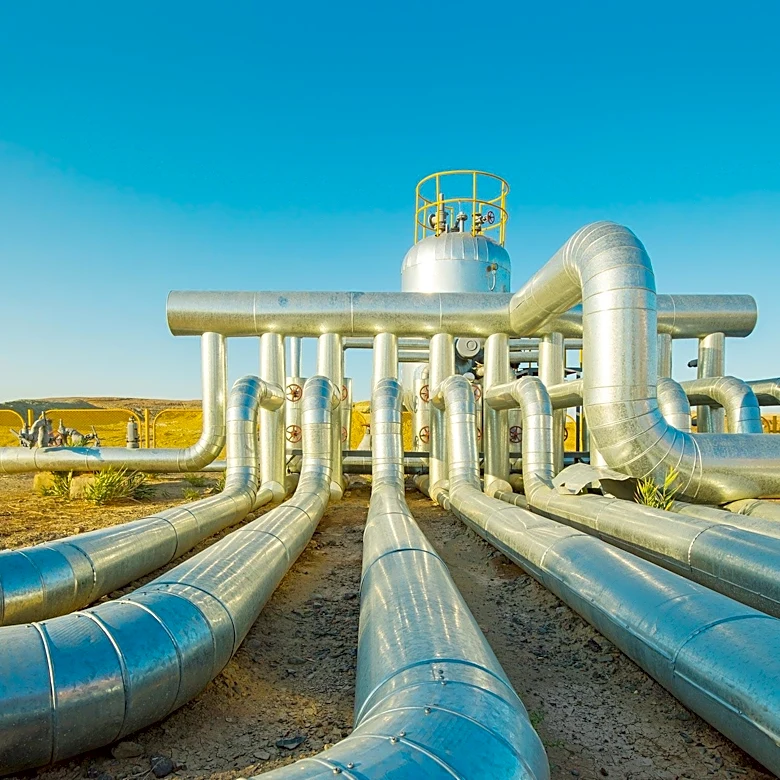
role in regional energy security. Through the Southern Gas Corridor, Azerbaijan supplies natural gas to several European countries, helping to diversify energy supplies and reduce dependence on individual suppliers. The conflict in the Middle East has led to disruptions in liquefied natural gas (LNG) flows through the Strait of Hormuz, prompting Goldman Sachs to revise its European natural gas price forecasts upwards. This situation underscores the vulnerability of global gas markets to geopolitical tensions and highlights Azerbaijan's potential to expand its gas exports as part of its economic and foreign policy strategy.
Why It's Important?
The ongoing Middle East conflict has significant implications for global energy markets, particularly for Europe, which has been working to reduce its dependence on Russian pipeline gas by increasing LNG imports. The disruption in the Gulf region has led to increased European gas prices, as LNG cargoes are redirected to markets willing to pay higher prices. This situation highlights the interconnectedness of global energy systems and the importance of diversified energy supplies. Azerbaijan's role as a reliable gas supplier to Europe is crucial in this context, as it helps mitigate the impact of supply disruptions and contributes to regional energy security. The situation also emphasizes the need for Europe to continue its transition towards renewable energy sources to reduce its vulnerability to geopolitical risks.
What's Next?
As the Middle East conflict continues to impact global energy markets, Azerbaijan is likely to further solidify its position as a key energy supplier to Europe. The country may seek to expand its gas export capacity and explore new markets to enhance its economic and geopolitical influence. European countries, on the other hand, will need to accelerate their efforts to diversify energy sources and invest in renewable energy infrastructure to reduce reliance on volatile global gas markets. The situation also calls for increased international cooperation to ensure energy security and stability in the face of geopolitical challenges.
Beyond the Headlines
The current energy market dynamics underscore the broader implications of geopolitical conflicts on global trade and economic stability. The reliance on a few key transit routes for energy supplies highlights the need for strategic investments in alternative infrastructure to ensure resilience against disruptions. Additionally, the situation raises ethical and environmental considerations, as countries may temporarily revert to more carbon-intensive energy sources like coal when gas becomes too expensive or unavailable. This underscores the complexity of balancing energy security with climate objectives in the global energy transition.