





What's Happening?
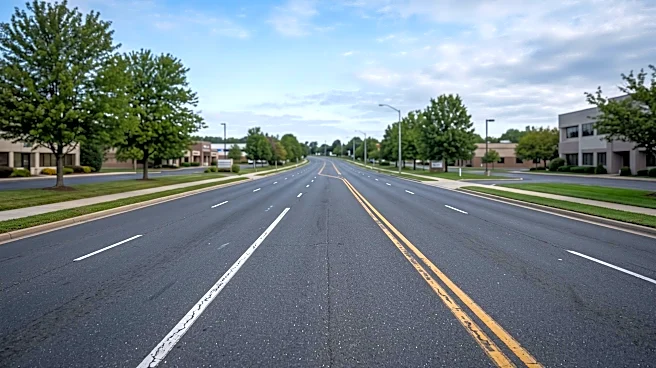
Jose Antonio Caballero-Nolasco, a 32-year-old Germantown man, has been denied bond after being accused of driving the wrong way on Interstate 270 while impaired, resulting in a head-on collision that killed a mother and her daughter. The incident occurred
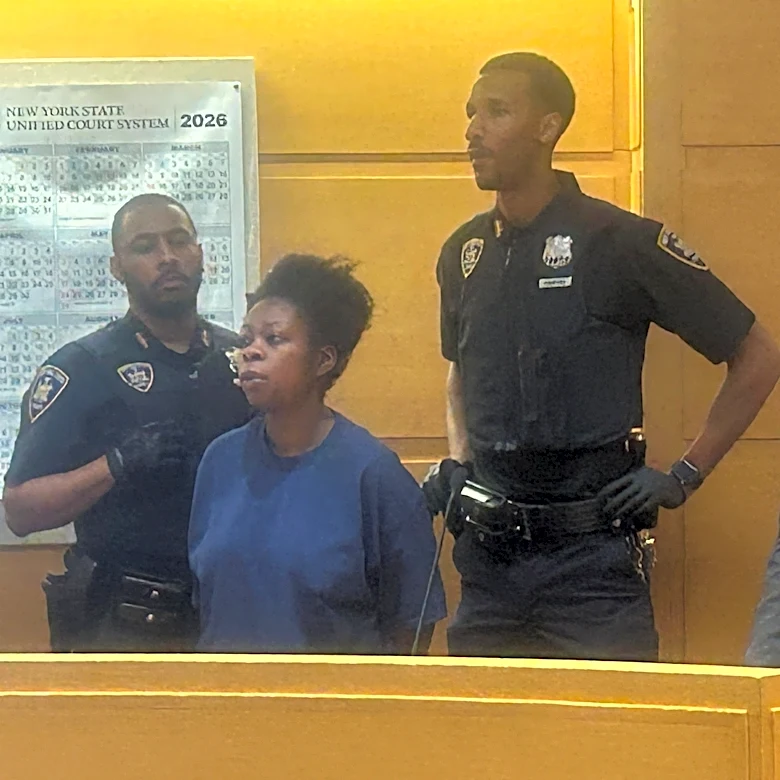
on Saturday evening, with authorities receiving a 911 call about a wrong-way vehicle minutes before the crash. Caballero-Nolasco appeared in Montgomery County District Court, where the judge cited an 'extreme disregard for everyone' and deemed him a danger to the community in denying his release. He faces multiple charges, including two counts of negligent manslaughter by vehicle and two counts of homicide by motor vehicle while impaired by alcohol. The victims were identified as Musammat Shamima Begum, 46, and her daughter Areebah Jahin, 23, both from Virginia. An 8-year-old girl in the victims' vehicle sustained life-threatening injuries but is now in critical but stable condition.
Why It's Important?
This case underscores the severe and tragic consequences of impaired driving, particularly wrong-way incidents on major highways. The judge's decision to deny bond reflects the gravity of the charges and the perceived threat to public safety, emphasizing the legal system's commitment to protecting communities from such dangers. The incident also brings into focus broader discussions about impaired-driving enforcement, especially in Montgomery County, where the police department recently announced the disbandment of its dedicated DUI enforcement unit due to staffing issues. While the crash occurred on a state-patrolled highway, the timing raises questions about the overall resources and strategies in place to prevent impaired driving and ensure road safety across the region. The loss of life and critical injuries sustained highlight the devastating impact on families and the community.
What's Next?
Jose Antonio Caballero-Nolasco is scheduled for his next court date on October 6. Prosecutors are awaiting the results of his blood test, which will be crucial evidence in the ongoing legal proceedings. The defense had requested his release with GPS monitoring and the surrender of his passport, but this was denied. The case will proceed through the judicial system, with potential for a trial or plea agreement. Meanwhile, the broader community conversation around impaired driving enforcement in Montgomery County is likely to continue, especially given the recent disbandment of the specialized DUI unit. This incident may prompt further review of traffic safety policies and resource allocation for law enforcement agencies responsible for preventing such tragedies.
Beyond the Headlines
This tragic event extends beyond the immediate legal proceedings, touching upon profound societal issues. It highlights the ongoing struggle with impaired driving and the critical need for effective public awareness campaigns and enforcement strategies. The fact that a 911 call was made about the wrong-way driver prior to the collision raises questions about the efficacy of real-time intervention systems and how quickly law enforcement can respond to such urgent threats. Furthermore, the incident's timing, shortly after the disbandment of a dedicated DUI unit, could fuel public debate about the prioritization of resources for traffic safety versus other policing needs. This case serves as a stark reminder of the collective responsibility to prevent impaired driving and the devastating human cost when these efforts fail.