






What's Happening?
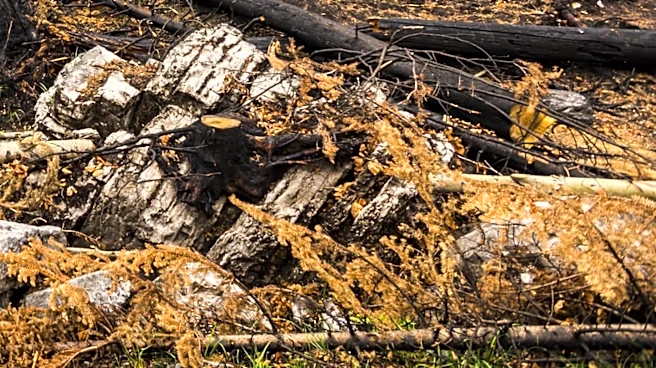
In early July 2026, wildland fires erupted in the Sahtu Region near Great Bear Lake in Canada's Northwest Territories. The fires, tracked by the Environment and Climate Change division, have burned approximately 169,000 hectares. The increase in Arctic
wildland fires is attributed to climate change, with fires burning larger and longer than in previous decades. The fires pose significant environmental and health risks, as dense aerosol concentrations from the fires can harm human health, particularly for those with respiratory conditions.
Why It's Important?
The rise in Arctic wildland fires underscores the broader impacts of climate change on the region. These fires contribute to carbon emissions, further exacerbating global warming. The environmental and health implications are significant, as increased fire activity can lead to habitat destruction and air quality deterioration. The situation highlights the urgent need for climate action and adaptation strategies to mitigate the effects of climate change in vulnerable regions like the Arctic.
What's Next?
Efforts to monitor and manage wildland fires in the Arctic will likely intensify, with a focus on developing strategies to prevent and respond to such incidents. International cooperation may be necessary to address the transboundary nature of climate impacts. Policymakers and environmental organizations will need to prioritize climate adaptation and mitigation measures to protect Arctic ecosystems and communities.