




What's Happening?
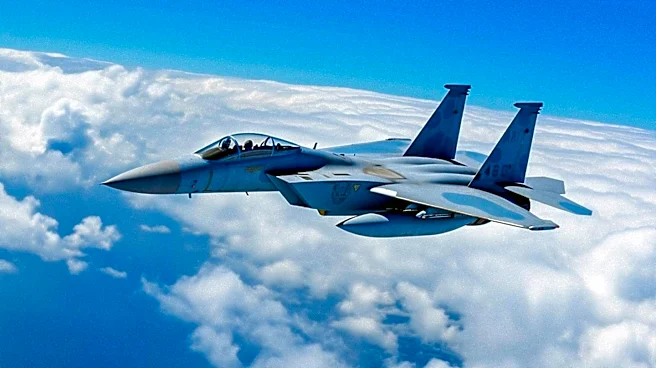
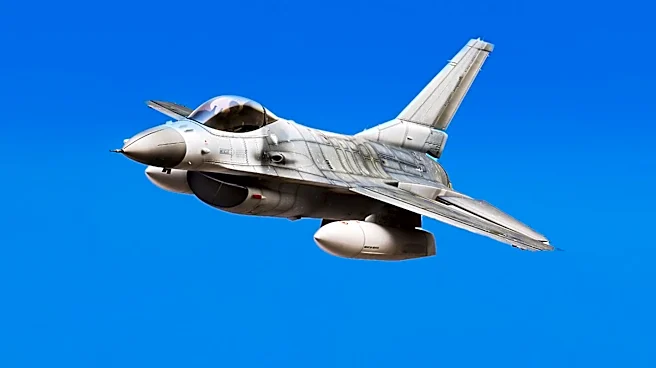
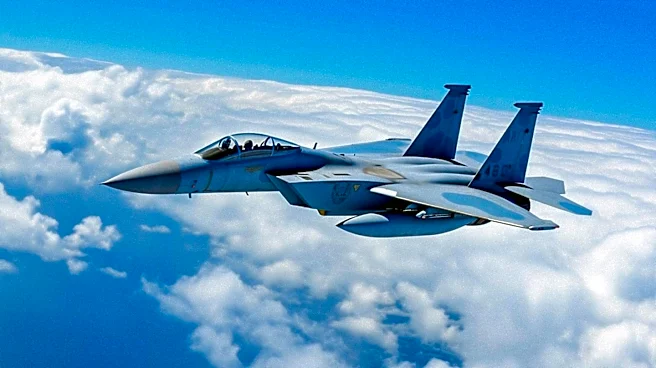
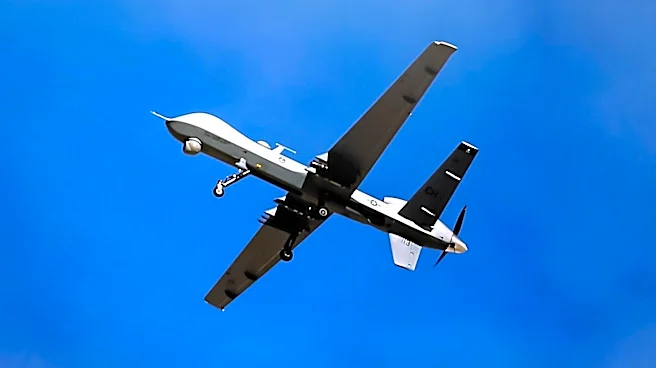
Romania's military has spent approximately €1.5 million ($1.7 million) over three days to intercept and destroy three Russian drones that violated its airspace. The Romanian Air Force utilized AIM-9X air-to-air missiles, each costing around $400,000,
fired from F-16 fighter jets to down the drones. The Romanian defense ministry emphasized the importance of protecting civilians despite the high costs, acknowledging the financial strain if such incursions persist. Since Russia's full-scale invasion of Ukraine, over 100 attacks have been recorded near Romania's border, with drones entering Romanian airspace 33 times. Debris from these drones has been found on Romanian territory in about 50 incidents. Romania is exploring more cost-effective interception methods, including helicopters with machine guns, and plans to acquire two counter-drone systems next year.
Why It's Important?
The financial burden of defending against drone incursions highlights the broader implications of the conflict in Ukraine on neighboring countries. Romania's significant expenditure underscores the strain on national defense budgets and the potential need for NATO support or strategic adjustments. The incursions also raise concerns about regional security and the effectiveness of current air defense systems. Romania's response could influence other NATO members' defense strategies and spending priorities, particularly those bordering conflict zones. The situation also reflects the ongoing challenges in managing airspace security in the context of modern warfare, where drones play a significant role.
What's Next?
Romania is expected to continue its efforts to enhance its air defense capabilities, including the acquisition of new counter-drone systems. Diplomatic actions, such as formal protests to Russia, are anticipated as investigations into the drone incidents progress. The situation may prompt discussions within NATO regarding collective defense measures and resource allocation to support member states facing similar threats. Romania's exploration of alternative interception methods could lead to innovations in drone defense technology, potentially setting precedents for other nations dealing with similar challenges.