





What's Happening?
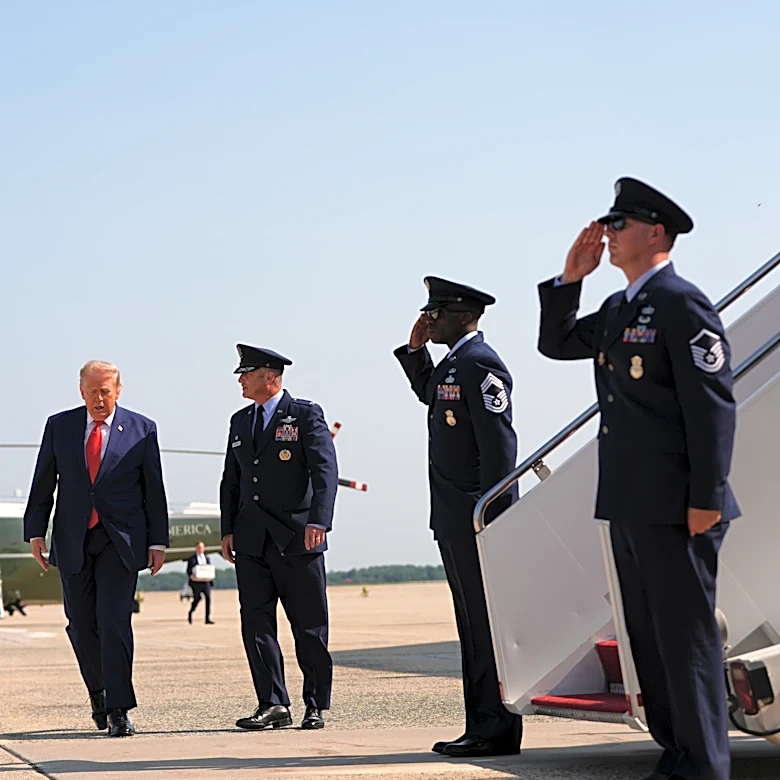
Recent polling and voter interviews indicate that President Trump's support among white working-class and rural voters, a key demographic for his political base, is showing signs of weakening. This shift is attributed to growing dissatisfaction with economic
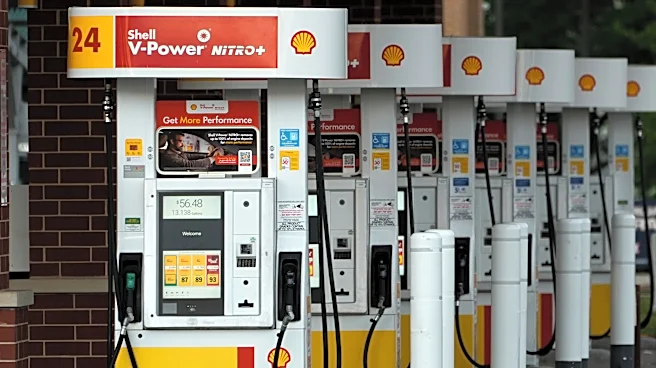
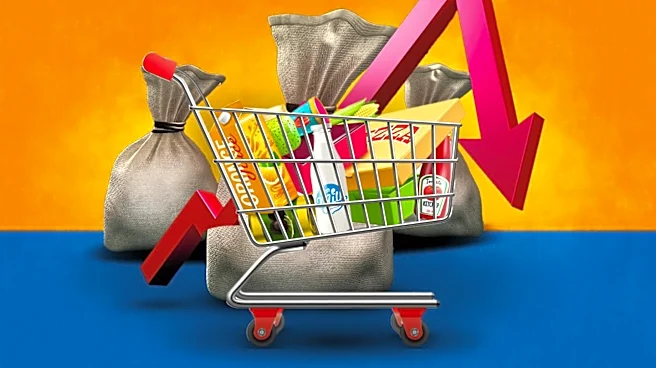
issues such as rising gas prices, healthcare costs, and overall affordability. In 2024, Trump secured significant backing from these groups, but recent polls suggest a decline in approval. For instance, a CBS poll in May found that 54% of white non-college voters disapproved of Trump's performance, up from 32% in February 2025. Similarly, a Reuters poll in June showed that 48% of rural voters disapproved, an increase from 34% after he took office. These economic concerns are compounded by the impact of the war in Iran on oil prices and the expiration of pandemic-era subsidies, affecting healthcare affordability.
Why It's Important?
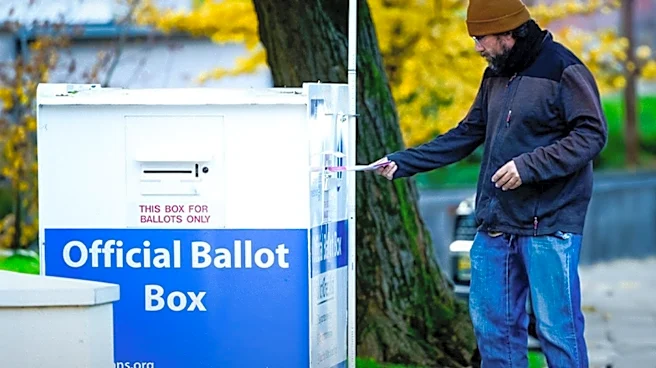
The potential erosion of support among working-class voters poses a significant risk for the Republican Party as the midterm elections approach. Historically, the president's party tends to lose seats during midterms, and a decline in turnout or a shift in voter allegiance could impact the GOP's ability to maintain its majorities. While some voters express dissatisfaction with Trump's economic policies, this does not necessarily translate into support for Democrats. Instead, it may result in lower voter turnout, which could be detrimental to Republican efforts. The situation underscores the importance of addressing economic grievances to retain this crucial voter base.
What's Next?
As the midterms draw closer, the Republican Party faces the challenge of addressing the economic concerns of working-class voters to prevent potential losses. The outcome of the midterms will likely hinge on whether these voters perceive improvements in their economic situation, such as a decrease in gas prices or enhanced healthcare affordability. The GOP will need to strategize on how to re-engage disenchanted voters and mitigate the risk of decreased turnout. Observers will be watching closely to see if these economic issues lead to a more significant shift in voter behavior or if they are merely temporary grievances.