





What's Happening?
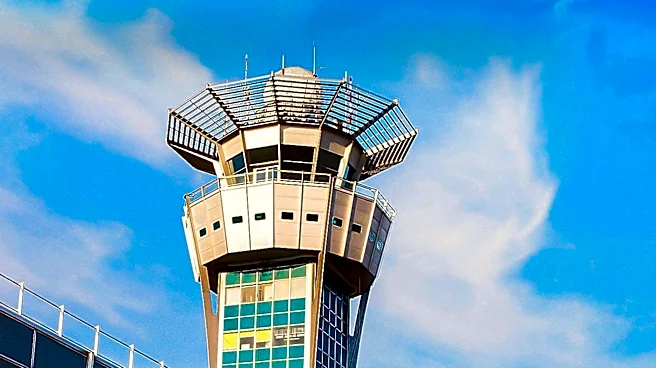
Two Delta Air Lines flights experienced a near-miss incident at Atlanta Hartsfield International Airport on July 27, 2026. The incident occurred when air traffic control cleared Delta flight DL-1568, arriving from Pittsburgh, to land on Runway 26R. Simultaneously,
Delta flight DL-2472, departing for Rochester, was cleared for takeoff on Runway 26L. Due to a Frontier aircraft still on the runway, flight DL-1568 had to perform a 'go around.' During this maneuver, flight DL-2472 was directed to turn right and climb, inadvertently heading towards flight DL-1568. The onboard Traffic Collision Avoidance System (TCAS) issued a Resolution Advisory, prompting immediate evasive action. The aircraft came within 1,800 feet of each other. Delta Air Lines stated that safety was maintained, and the Federal Aviation Administration (FAA) is investigating the incident.
Why It's Important?
This incident highlights the critical importance of air traffic control systems and the potential risks associated with high-traffic airports like Atlanta Hartsfield. The near-miss underscores the need for rigorous safety protocols and effective communication between pilots and air traffic controllers. The event could lead to increased scrutiny of air traffic control procedures and training, potentially impacting regulatory policies. For Delta Air Lines, maintaining a strong safety record is crucial for its reputation and operational reliability. The FAA's investigation may result in recommendations or changes to prevent similar occurrences, affecting the broader aviation industry.
What's Next?
The FAA's investigation will likely focus on the sequence of events leading to the near-miss, including the decision-making process of air traffic controllers and the response of the flight crews. The findings could influence future air traffic control protocols and training programs. Delta Air Lines and other carriers operating at busy airports may need to review and possibly enhance their safety measures. The aviation industry will be watching closely for any regulatory changes or recommendations that emerge from the investigation.