








What's Happening?
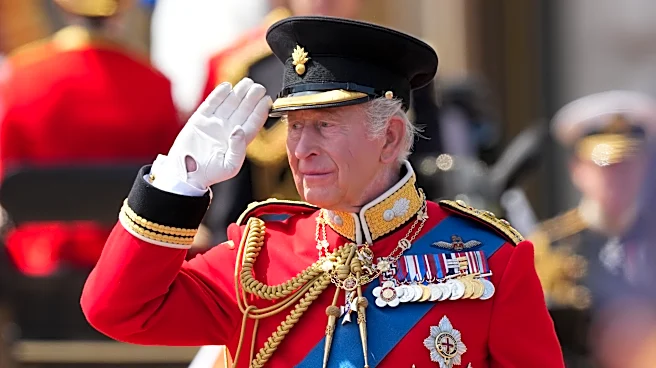
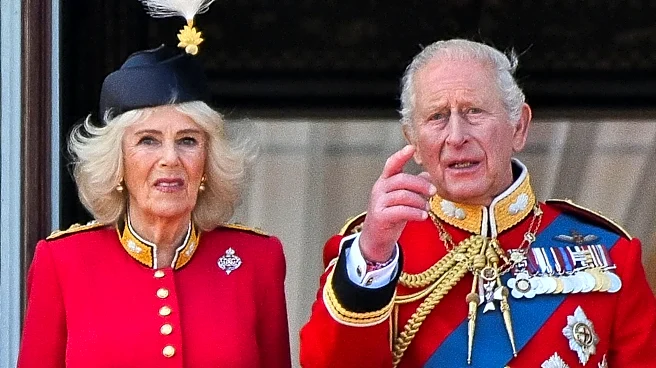
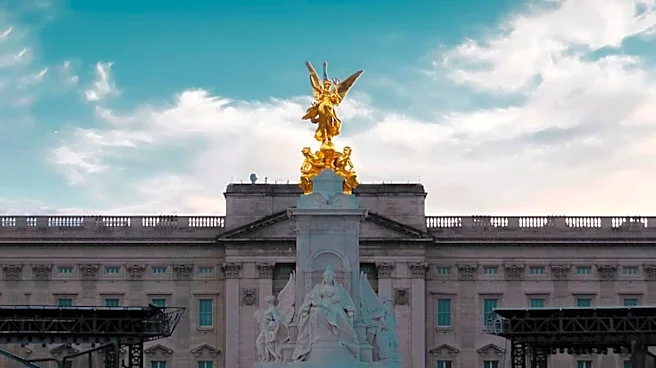
King Charles has decided not to reside at Buckingham Palace despite a £369 million taxpayer-funded refurbishment. Instead, he will continue living at Clarence House in London. This decision marks a significant departure from nearly 200 years of tradition,
as Buckingham Palace has been the official residence of British monarchs since Queen Victoria. The palace will remain the operational center for royal activities, hosting state visits and public events. The decision comes amid efforts to increase transparency in royal finances, with King Charles revealing his tax payments for the first time.
Why It's Important?
King Charles's decision not to live at Buckingham Palace reflects a shift in royal traditions and priorities. The move could influence public perceptions of the monarchy, especially regarding the use of taxpayer funds for royal residences. By choosing to reside elsewhere, King Charles may be signaling a modernized approach to royal duties and a focus on operational efficiency. Additionally, the transparency in royal finances, including the disclosure of tax payments, aims to enhance public trust and accountability. This development could set a precedent for future monarchs and impact the monarchy's relationship with the public.
What's Next?
As Buckingham Palace continues to serve as the monarchy's operational hub, it will likely host numerous public and state events. The completion of its refurbishment may lead to increased public access and tourism, potentially generating revenue to offset renovation costs. King Charles's decision may also prompt discussions about the future use of royal residences and their funding. The ongoing transparency in royal finances could lead to further scrutiny and calls for reform in how the monarchy is funded and operates. These changes may influence the monarchy's role and relevance in contemporary society.