




What's Happening?
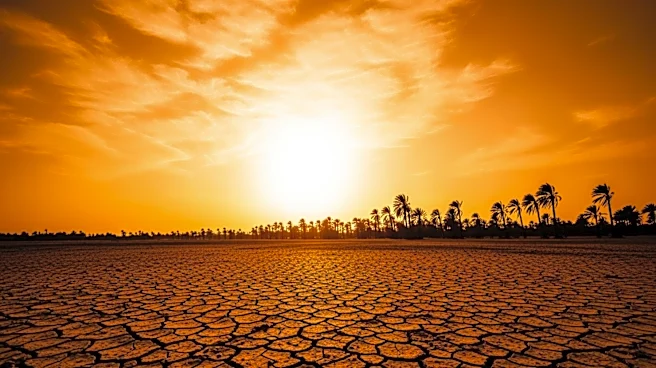
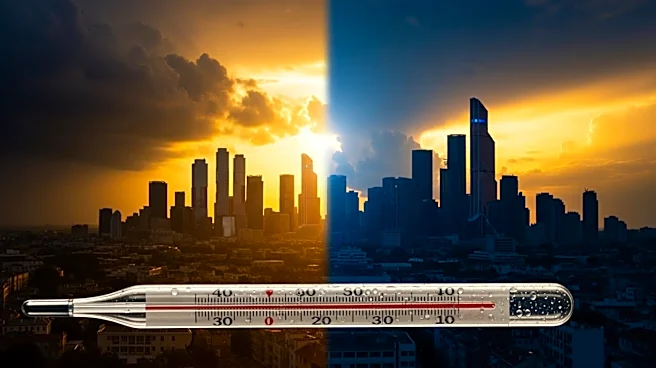
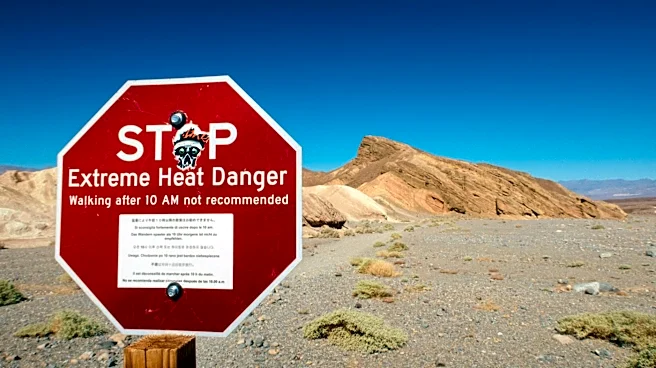
California is bracing for an extreme heat wave, with temperatures expected to soar above 100 degrees in several areas. Meteorologists have issued an 'extreme heat watch' for regions including Palm Springs, the Coachella Valley, and parts of Imperial County,
effective from Mother's Day morning through Tuesday evening. This heat wave is notable for its early arrival, with temperatures in Fresno potentially reaching 102 degrees, marking the earliest occurrence of such heat since records began. The National Weather Service has warned that residents may not be acclimated to such high temperatures at this time of year, increasing the risk of heat-related illnesses. The heat wave is part of a broader trend, as March was recorded as the hottest on record for California and several other states.
Why It's Important?
The extreme heat wave poses significant risks to public health, particularly for vulnerable populations such as the elderly, infants, and those with chronic illnesses. It also raises concerns about increased fire danger across various counties, including Los Angeles and Ventura. The heat wave could strain local resources, as residents may require more access to cooling centers and emergency services. Additionally, the agricultural sector may face challenges due to the increased water demand for crops and livestock. This event underscores the broader impacts of climate change, as such extreme weather patterns become more frequent and intense, affecting both urban and rural communities across the state.
What's Next?
Residents are advised to take precautions, such as limiting outdoor activities to early morning hours and staying in shaded or air-conditioned areas. The National Weather Service has recommended that pet owners avoid walking their animals on hot surfaces and ensure they have adequate water. Local authorities may open cooling centers to provide relief for those without access to air conditioning. The heat wave is expected to persist through mid-May, with above-average temperatures continuing beyond Mother's Day. This prolonged period of high temperatures may prompt further advisories and emergency measures from state and local governments.