





What's Happening?
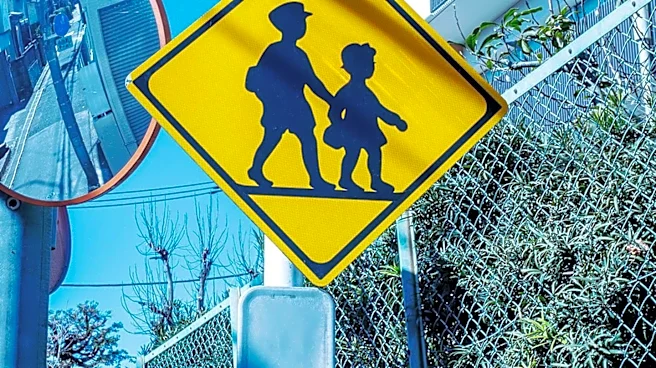
Ollie Detwiler Elementary School in North Las Vegas has received significant traffic safety upgrades aimed at improving student drop-off and pick-up safety. These improvements, a collaborative effort between Clark County and the City of North Las Vegas,
include the installation of parking bumpers to prevent illegal U-turns, flashing beacons, and enhanced traffic signs. Additionally, a new 10-foot accessibility ramp has been added to the campus. Staff at the school, including pre-K teacher Amber Shay Nezey, have noted a visible difference in traffic flow and driver behavior since the changes were implemented. For years, the school has contended with issues such as speeding, illegal U-turns, and crowded drop-off areas, leading to concerns among parents and staff. The upgrades are a direct response to these long-standing safety concerns, with the goal of creating a safer environment for students arriving at and departing from school.
Why It's Important?
These traffic safety upgrades are important for several reasons, primarily focusing on the well-being of students and the broader community. The Clark County School District's Student Traffic Safety Dashboard indicates a concerning trend, with 59 students hit by cars this year across the district, and over 400 last school year. While North Las Vegas has reported fewer incidents compared to other areas in the valley, any measure to prevent such occurrences is critical. The improvements at Ollie Detwiler Elementary directly address dangerous driving behaviors, such as speeding and illegal U-turns, which pose significant risks to young pedestrians. By creating safer and more continuous walking routes and increasing driver awareness, the project aims to reduce the likelihood of accidents. This initiative also highlights the importance of local government and school district collaboration in proactively addressing community safety needs, setting a precedent for similar interventions in other high-risk areas.
What's Next?
Following the implementation of these traffic safety upgrades, the immediate next steps will likely involve continued monitoring of their effectiveness. School staff, like Amber Shay Nezey, have expressed hope that the city will continue to build on these improvements, suggesting ongoing check-ins and potential further enhancements. The success of this project at Ollie Detwiler Elementary could serve as a model for other schools within the Clark County School District that face similar traffic safety challenges. Local authorities may conduct further reviews of the Student Traffic Safety Dashboard to identify other high-priority locations for intervention. Additionally, there may be increased community engagement efforts to educate parents and drivers about the new traffic patterns and the importance of adhering to safety regulations around school zones. The long-term goal is to foster a culture of safety that extends beyond the physical upgrades, ensuring sustained protection for students.
Beyond the Headlines
Beyond the immediate safety benefits, these traffic upgrades at Ollie Detwiler Elementary School underscore a broader societal commitment to child welfare and urban planning. The persistent issues of speeding and illegal U-turns around schools reflect systemic challenges in urban design and driver behavior, highlighting the need for comprehensive solutions that integrate infrastructure improvements with public awareness campaigns. This initiative also touches upon the ethical responsibility of local governments to protect vulnerable populations, particularly children, in their daily routines. The collaboration between the city and county demonstrates how inter-agency cooperation can effectively address complex community problems. Furthermore, the focus on accessibility with the new 10-foot ramp points to an inclusive approach to safety, ensuring that all students, regardless of their physical abilities, can navigate the school environment securely. This project could inspire a re-evaluation of traffic safety measures in school zones nationwide, promoting a more proactive and holistic approach to protecting students.