







What's Happening?
Joshua Tree National Park recommends that visitors plan their trips between October and May for the most favorable conditions. October is highlighted as the best overall month, offering comfortable temperatures with highs around 86°F and lows around 52°F,
alongside manageable crowds. November is also suggested as a 'shoulder season' with pleasant daytime temperatures in the 70s and cold nights, providing more availability in campgrounds during the week. The park experiences a 'reverse-seasonal' pattern compared to many other U.S. national parks, with summer months (June through August) being extremely hot and potentially dangerous, often exceeding 100°F. During these peak summer months, attendance is at its lowest, and activities like daytime hiking are strongly discouraged due to the heat. The spring months, particularly March through May, are popular for wildflower blooms and ideal hiking temperatures, though they also see the highest crowd levels, especially in April.
Why It's Important?
This guidance is crucial for potential visitors to Joshua Tree National Park, as it directly impacts their safety, enjoyment, and overall experience. Visiting during the recommended periods ensures more comfortable temperatures for outdoor activities like hiking, rock climbing, and stargazing, which are primary attractions of the park. Conversely, ignoring these recommendations and visiting during the summer can lead to significant health risks due to extreme heat, including heat-related emergencies. For local businesses and accommodations surrounding the park, understanding these seasonal trends is vital for staffing, pricing, and resource allocation. The park's designation as a Dark Sky Park also means that optimal stargazing conditions are best enjoyed during cooler, clearer nights, which are more prevalent outside the summer months. The influx of visitors during peak seasons also brings economic benefits to nearby towns like Joshua Tree and Twentynine Palms, supporting local tourism-dependent industries.
What's Next?
Visitors planning a trip to Joshua Tree National Park should consult the park's official resources for real-time conditions and specific recommendations, especially concerning weather and crowd levels. Those intending to visit during the popular spring or fall months should book accommodations and campground reservations well in advance, as these periods experience high demand. For instance, April requires booking 3-4 months ahead, while October needs 6-8 weeks. Individuals interested in specific activities like wildflower viewing should monitor NPS wildflower reports, as blooms are highly dependent on winter rainfall and can vary annually. The park will continue to manage visitor flow and provide safety advisories, particularly during extreme weather conditions, to ensure public safety and preserve the natural environment. Educational programs, such as ranger-led stargazing, will likely continue to be offered during optimal viewing seasons.
Beyond the Headlines
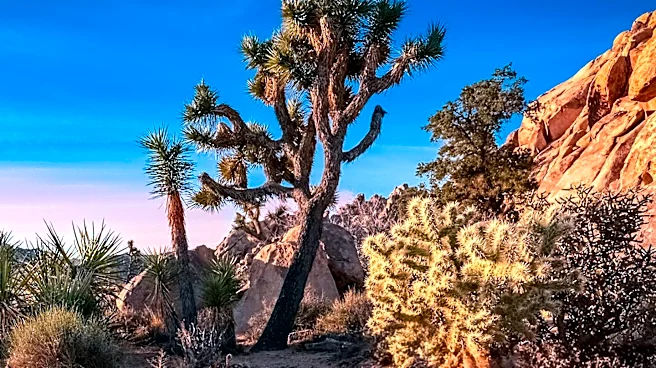
The seasonal visitation patterns at Joshua Tree National Park underscore broader environmental and conservation challenges. The park's unique ecosystem, characterized by the iconic Joshua trees, is increasingly vulnerable to climate change, with rising temperatures and altered rainfall patterns impacting flora and fauna. The guidance to avoid summer visits highlights the direct human impact of extreme weather, prompting discussions on sustainable tourism practices and visitor education regarding desert environments. The park's status as an International Dark Sky Park also emphasizes the importance of preserving natural nightscapes against light pollution, a growing concern for both ecological health and astronomical observation. The 'reverse-seasonal' nature of Joshua Tree also reflects how climate change is altering traditional tourism seasons in various natural attractions, requiring adaptive strategies from both park management and visitors.