








What's Happening?
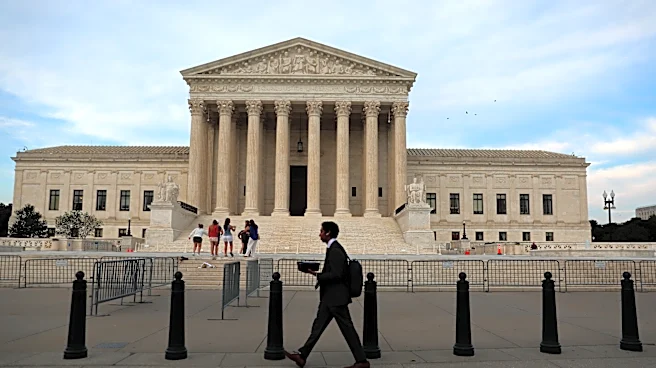
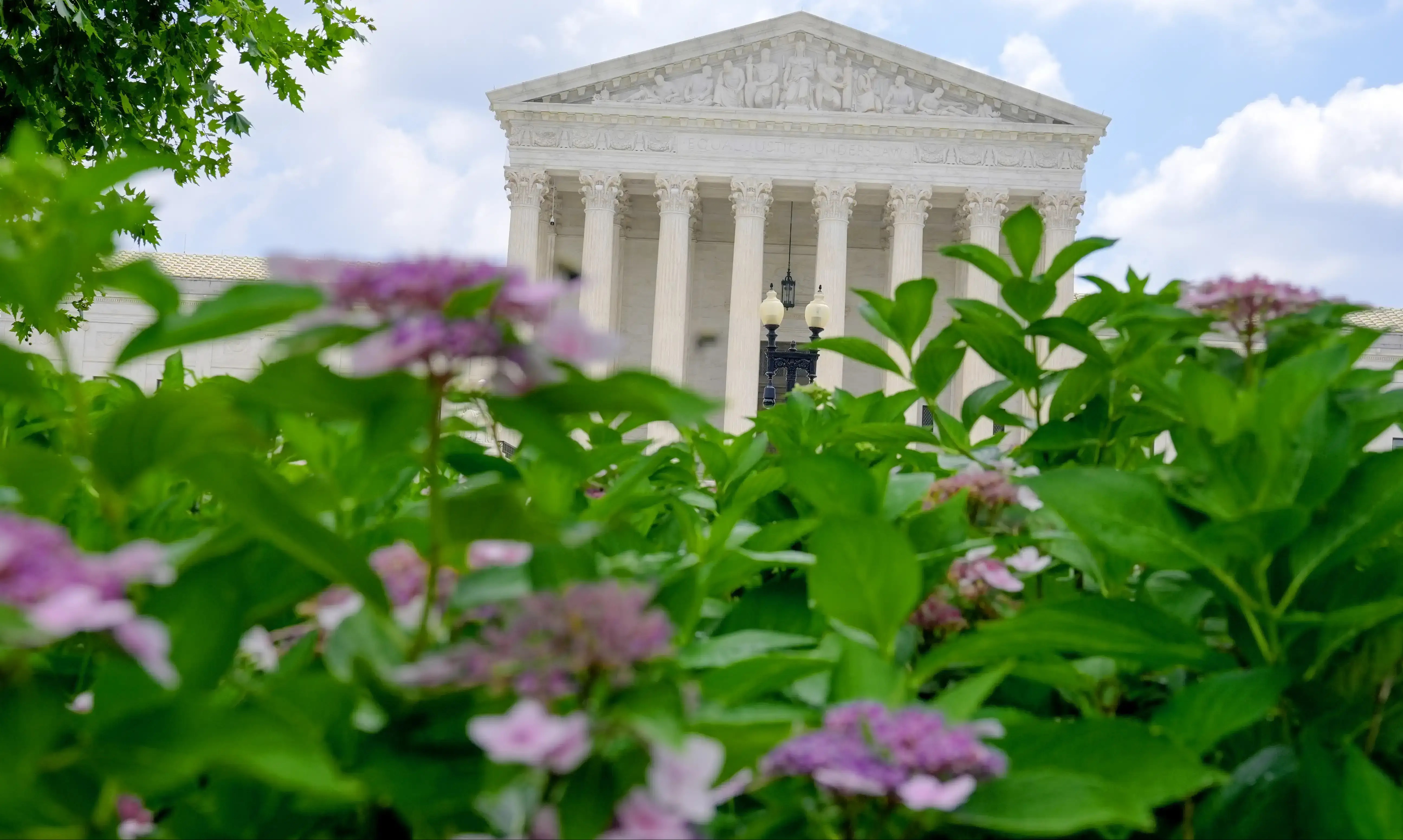
The Supreme Court's conservative justices have recently issued several significant opinions that have reshaped U.S. law while maintaining a facade of continuity. These decisions have expanded President Trump's executive powers, weakened state gun control
authority, and limited the rights of religious minorities and green-card holders. The Court has also favored multinational corporations in recent rulings. Critics argue that the justices have used language that obscures the radical nature of these changes, presenting them as mere continuations of existing legal precedents. This approach has become a hallmark of the Roberts Court, which has been accused of overturning long-standing precedents without openly acknowledging it. Notably, the Court's decision in Trump v. Slaughter overturned a 90-year-old precedent, Humphrey's Executor, which had allowed Congress to insulate federal agencies from political influence.
Why It's Important?
The Supreme Court's recent actions have significant implications for the U.S. legal system and governance. By overturning established precedents, the Court is reshaping the balance of power between the executive branch and independent regulatory agencies, potentially increasing political influence over these bodies. This shift could undermine the stability and predictability that precedents provide, affecting how laws are interpreted and applied. The decisions also reflect a broader trend of the Court's conservative majority using its power to advance specific ideological goals, which could lead to further polarization and challenges to the Court's legitimacy. The impact of these rulings extends beyond the immediate legal changes, as they may influence future cases and the overall direction of U.S. jurisprudence.
What's Next?
The Supreme Court's recent decisions are likely to prompt reactions from various stakeholders, including lawmakers, legal scholars, and civil rights organizations. There may be calls for legislative action to counteract the Court's rulings or to reform the Court itself. Additionally, future cases may test the limits of the new legal standards set by these decisions, potentially leading to further legal challenges and debates. The Court's approach to precedent and its implications for judicial decision-making will likely remain a topic of discussion and analysis in legal and political circles.
Beyond the Headlines
The Supreme Court's handling of precedent raises questions about the role of the judiciary in a democratic society. By selectively overturning precedents, the Court risks eroding public trust in its impartiality and commitment to the rule of law. This trend may also influence how lower courts interpret and apply Supreme Court rulings, potentially leading to inconsistencies in legal outcomes. The broader cultural and ethical implications of the Court's actions, including their impact on civil liberties and minority rights, warrant careful consideration as the nation grapples with these changes.