




What's Happening?
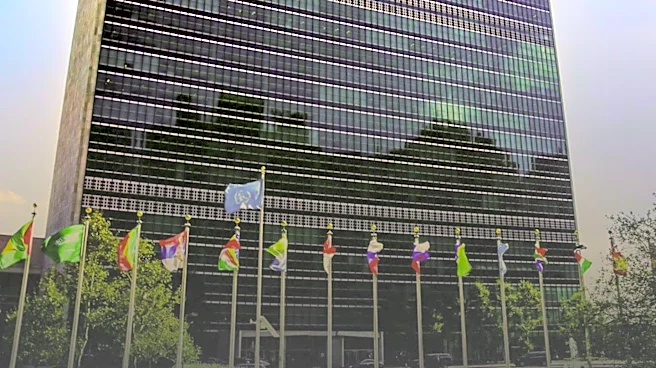
The United Nations Environment Programme (UNEP) is actively seeking a Gender and Social Safeguards Expert to contribute to Liberia's climate action initiatives. This role, based in Monrovia, Liberia, with an expected duration from September 2026 to March
2027, is part of the NDC Act & Invest Initiative. The expert will be responsible for developing gender-responsive measures, criteria, and indicators for Liberia's Revised Nationally Determined Contribution (NDC) Implementation Plan and an Updated NDC Investment Plan. This includes creating a project gender plan, conducting an inception gender analysis, ensuring sex-disaggregated participation in consultations, applying a gender-responsive financing lens to the Investment Plan, and documenting outcomes in a final gender mainstreaming report. Liberia has submitted its Third Nationally Determined Contribution (NDC 3.0) to the UNFCCC, aiming for a 64% emission reduction target by 2035. The Environmental Protection Agency (EPA) of Liberia requested technical support through the NDC Partnership to operationalize this ambition, focusing on a revised implementation plan and an updated investment plan to identify priority interventions and financing pathways. The project emphasizes a whole-of-government and whole-of-society approach, with gender equality and social inclusion integrated across all activities.
Why It's Important?
This initiative is crucial for ensuring that climate action in Liberia is equitable and inclusive, directly addressing the disproportionate impacts of climate change on different social groups, particularly women. By integrating gender and social safeguards into the NDC Implementation and Investment Plans, the project aims to create more effective and sustainable climate solutions. The focus on sex-disaggregated data and gender-responsive financing criteria will help identify and address specific needs and opportunities for women and marginalized communities in climate resilience and mitigation efforts. This approach can lead to more robust national policies and investment strategies that not only meet climate targets but also promote social equity and economic development. The involvement of UNEP and the NDC Partnership highlights a global commitment to supporting countries in translating their climate ambitions into actionable, investable plans, with a strong emphasis on inclusive development. This model could serve as a precedent for other nations seeking to integrate social equity into their climate strategies, demonstrating how climate finance can be leveraged to empower vulnerable populations and foster broader societal benefits.
What's Next?
The selected Gender and Social Safeguards Expert will commence work in September 2026, focusing on developing the project gender plan and conducting a detailed gender analysis. Over the six-month period, the expert will provide gender-mainstreaming inputs to the review of NDC 3.0, prioritize NDC measures, and contribute to the design of consultation methodologies to capture gender-differentiated impacts. Key deliverables include an inception gender analysis, a project gender strategy with gender-responsive actions and KPIs, and a gender section for the Revised NDC Implementation Plan with sex-disaggregated indicators. The expert will also contribute to a gender-responsive Updated NDC Investment Plan, identifying gender-specific financing opportunities and engaging women-led enterprises. Training for the project team and EPA staff on gender mainstreaming for NDC 3.0 implementation is also a critical component. The work will directly feed into the efforts of the NDC Implementation, Investment Planning and MRV Expert to integrate these gender and social inclusion aspects into Liberia's climate plans.
Beyond the Headlines
The integration of a Gender and Social Safeguards Expert into Liberia's climate action plan signifies a deeper recognition of the intersectionality between climate change and social equity. This approach moves beyond purely environmental targets to address the human dimension of climate policy, acknowledging that effective climate solutions must be socially just. The emphasis on engaging women-led organizations, youth groups, and marginalized communities in the planning process reflects a shift towards more participatory and inclusive governance in climate action. This initiative could foster long-term cultural shifts in how climate policies are developed and implemented, promoting a more holistic understanding of sustainable development. By ensuring that climate investments are gender-responsive, Liberia aims to unlock new avenues for economic empowerment and resilience within vulnerable populations, potentially leading to more innovative and community-driven climate solutions. This also sets a precedent for international climate finance to prioritize projects that explicitly address social inequalities, thereby enhancing the overall impact and legitimacy of global climate efforts.