






What's Happening?
The U.S. Department of Agriculture (USDA) has confirmed the first case of New World screwworm in Arizona, detected in a dog in Cochise County. This marks the third U.S. state, following Texas and New Mexico, to report cases of the parasitic fly. The outbreak
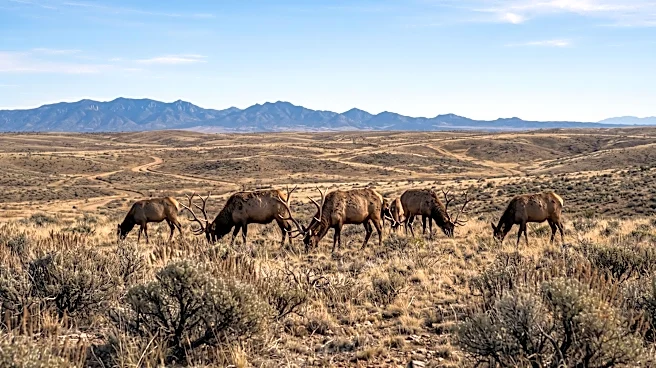
has seen 71 cases nationwide since June, with 18 currently active. The spread has intensified in October, making it the second-busiest month for screwworm cases. The USDA is responding by establishing an infested zone, increasing animal surveillance, and conducting outreach. Historically, the U.S. and South American countries had eradicated screwworm south of Panama, but the pest began spreading north again after the pandemic, reaching Mexico in late 2024. A larger facility in Texas for producing sterile male screwworm flies, crucial for eradication efforts, is not expected to be operational until next year. The fly's spread is often facilitated by animal movement, and recent cases include a wild elk in Texas, raising concerns for cattle ranchers.
Why It's Important?
The re-emergence and spread of the New World screwworm pose a significant threat to the U.S. livestock industry, particularly cattle. The larvae of this parasitic fly burrow into the wounds of warm-blooded animals, causing severe damage and potential death if untreated. While the pest is not a food safety issue, as severely infested animals do not enter the food supply chain, the economic impact on ranchers and farmers could be substantial due to potential animal losses and increased veterinary costs. The delay in the full operation of the Texas sterile fly production facility means that a key tool for controlling the outbreak is not yet fully available, potentially prolonging the crisis. The spread to wildlife, as seen with the infected elk, further complicates containment efforts, as wild animals can act as reservoirs for the parasite, making it harder to track and eradicate. The situation highlights vulnerabilities in biosecurity measures and the challenges of managing transboundary animal diseases.
What's Next?
The USDA and state agricultural departments in Arizona, New Mexico, and Texas will continue to implement containment strategies, including establishing infested zones, controlling animal movement, increasing surveillance, and releasing sterile flies. The effectiveness of these measures will depend on the speed of the fly's spread and the ability to quickly identify and treat new cases. The delayed operational status of the larger Texas sterile fly production facility means that current efforts will rely on existing capacities, which may be strained if the outbreak continues to accelerate. Stakeholders, including ranchers, veterinarians, and pet owners, are urged to remain vigilant and report any suspected cases promptly. Further actions may include additional restrictions on animal movement, enhanced inspection protocols at borders, and increased public awareness campaigns to educate about the signs of screwworm infestation and reporting procedures. The situation will likely prompt ongoing discussions about funding and resources for animal disease prevention and response.
Beyond the Headlines
The resurgence of the New World screwworm underscores broader ecological and economic implications. The initial eradication of screwworm was a landmark achievement in veterinary public health, demonstrating the effectiveness of sterile insect technique. Its return, particularly after the pandemic, highlights how global events and disruptions can impact long-term public health and agricultural security. The current outbreak also brings into focus the interconnectedness of animal health, wildlife management, and agricultural economics. The movement of livestock and wildlife across borders, combined with potential environmental factors, creates complex challenges for disease control. This situation could lead to a re-evaluation of international animal health agreements and biosecurity protocols, especially in border regions. Furthermore, it emphasizes the critical need for sustained investment in agricultural research and infrastructure, such as sterile insect production facilities, to prevent and respond to future biological threats that could impact the nation's food supply and economy.