

What's Happening?
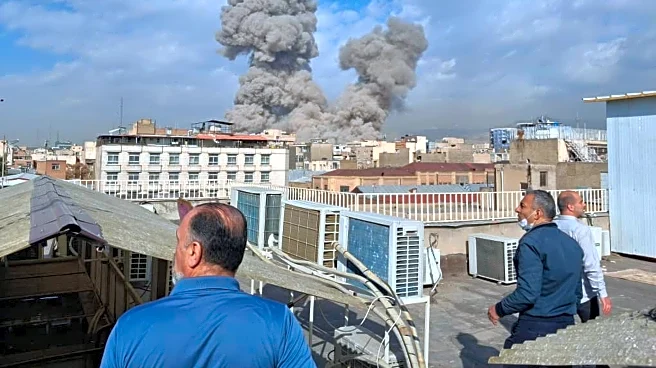
President Trump has announced on Truth Social that Iranian leader Ayatollah Ali Khamenei has been killed as a result of joint U.S.-Israel military strikes. The announcement comes amid escalating tensions in the region, with Trump stating that these military operations
will persist 'as long as necessary.' This development follows a series of retaliatory strikes by Iran, although there have been no reported American casualties. The situation marks a significant escalation in U.S.-Iran relations, with potential implications for regional stability and international diplomatic efforts.
Why It's Important?
The death of Ayatollah Ali Khamenei, if confirmed, represents a major shift in Middle Eastern geopolitics. It could lead to increased instability in Iran and potentially provoke further retaliatory actions against U.S. and Israeli interests. This escalation may impact global oil markets, given Iran's role as a major oil producer, and could strain U.S. relations with other countries in the region. Additionally, the continuation of military operations could influence U.S. domestic politics, particularly in the context of upcoming elections, as foreign policy becomes a central issue.
What's Next?
The international community is likely to respond with calls for de-escalation and diplomatic engagement to prevent further conflict. Key stakeholders, including the United Nations and European Union, may seek to mediate and propose peace talks. Within the U.S., political leaders and policymakers will need to address the potential consequences of prolonged military involvement in the region. The situation may also prompt discussions on military strategy and foreign policy priorities in Congress.
Beyond the Headlines
The ongoing conflict raises ethical questions about the use of military force and its impact on civilian populations. There may be increased scrutiny on the legal justifications for the strikes and their alignment with international law. Additionally, the situation could influence public opinion on U.S. foreign policy, potentially leading to shifts in voter priorities and political discourse.