



What's Happening?
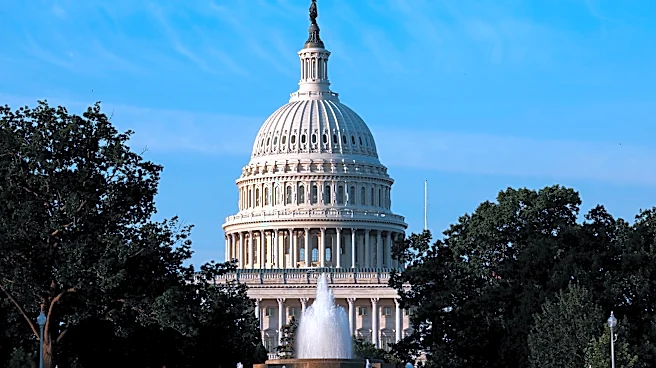
The Sunshine Protection Act, recently passed by the House of Representatives, aims to make daylight saving time permanent across the United States. This legislative move would eliminate the biannual clock changes, keeping the clocks one hour forward year-round.
The proposal has sparked debate, particularly concerning its potential impact on health. Experts, including the American Academy of Sleep Medicine (AASM), have raised concerns that permanent daylight saving time could disrupt circadian rhythms, leading to increased health risks such as cardiovascular events, sleep debt, and traffic accidents. The act still requires Senate approval to become law. Historically, a similar measure was attempted in 1974 during the oil embargo, but was reversed due to safety concerns and public confusion.
Why It's Important?
The potential shift to permanent daylight saving time has significant implications for public health and safety. Experts argue that the disruption of natural circadian rhythms could exacerbate health issues, particularly for those already experiencing sleep deficits. The American Medical Association and other health organizations advocate for permanent standard time, which aligns better with natural light patterns and supports healthier sleep cycles. On the other hand, proponents of daylight saving time highlight its economic benefits, suggesting that longer daylight hours in the evening could boost consumer spending. The debate underscores a broader societal tension between economic interests and public health priorities.
What's Next?
The Sunshine Protection Act's future hinges on Senate approval. If passed, the U.S. would join a small group of regions worldwide that observe permanent daylight saving time. The decision could prompt further discussions among policymakers, health experts, and the public about the balance between economic benefits and health risks. Should the act become law, it may lead to adjustments in work and school schedules to mitigate the impact of darker mornings. Additionally, public health campaigns might be necessary to address potential health risks associated with the change.
Beyond the Headlines
The debate over daylight saving time reflects broader societal issues, including the prioritization of economic growth over health and well-being. The potential shift could also influence cultural norms around work and leisure, as longer evening daylight might encourage more outdoor activities and social interactions. However, it raises ethical questions about the responsibility of lawmakers to consider scientific evidence and expert recommendations in policy decisions. The outcome of this legislative effort could set a precedent for how the U.S. addresses similar issues in the future.