
What's Happening?
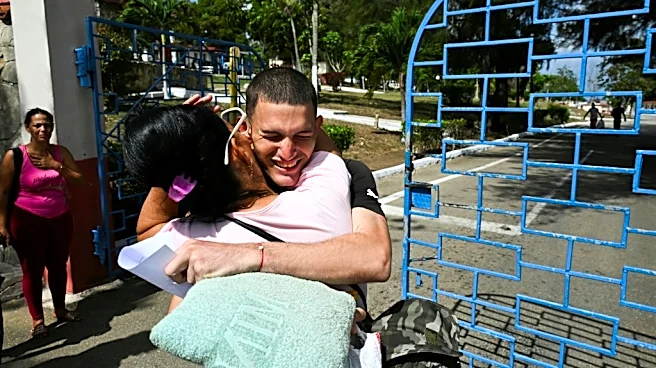
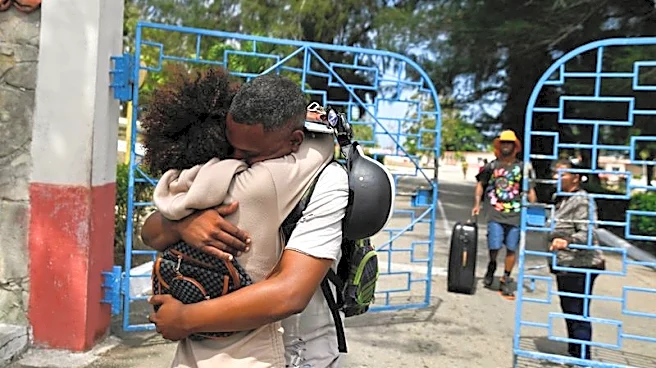
The Cuban government has announced the release of 2,010 prisoners, a move described as a 'humanitarian gesture' coinciding with Holy Week. This decision comes amidst significant pressure from the Trump administration, which has imposed an oil blockade
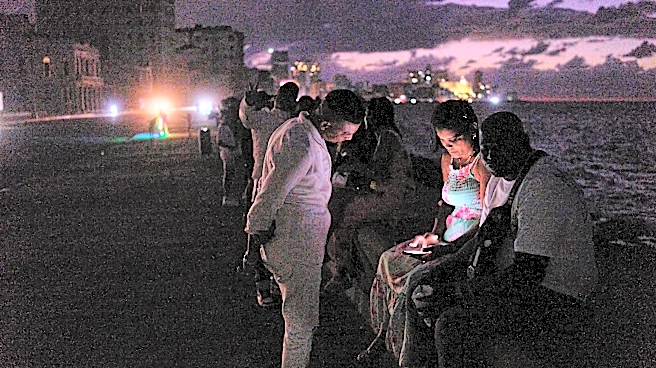
on the island, leading to widespread blackouts and civilian hardships. The Cuban authorities have not specified the timing or conditions of the release, nor have they detailed the crimes committed by those being pardoned. The release includes both foreign and Cuban prisoners, encompassing women, the elderly, and young people. While Cuba denies holding political prisoners, the activist group Prisoners Defended has reported over 1,200 individuals imprisoned for political reasons as of February.
Why It's Important?
This prisoner release is significant as it highlights the ongoing geopolitical tensions between the U.S. and Cuba. The Trump administration's oil blockade has exacerbated economic and social challenges in Cuba, potentially influencing the government's decision to release prisoners as a strategic response to international pressure. The move may also be seen as an attempt to improve Cuba's international image and relations, particularly with the Vatican, which has been involved in previous negotiations. The release could impact U.S.-Cuba relations, potentially opening avenues for dialogue or further escalating tensions depending on the U.S. response.
What's Next?
The release of prisoners could lead to various outcomes, including potential diplomatic engagements or further sanctions from the U.S. The international community, particularly human rights organizations, may scrutinize the conditions and motivations behind the release. The Cuban government might continue to use prisoner releases as a tool for negotiation or to alleviate internal pressures. Observers will be watching for any changes in U.S. policy towards Cuba, especially in light of the ongoing economic blockade and its humanitarian impacts.