



What's Happening?
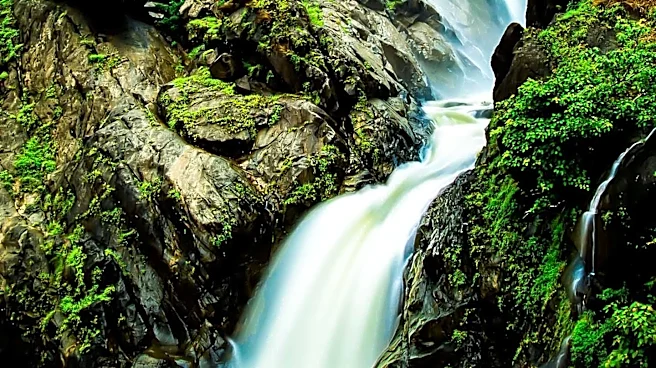
Smith Falls State Park in Valentine, Nebraska, is attracting numerous visitors, particularly those engaging in floating or canoeing on the Niobrara River. The park is notable for its unique overlapping ecosystems and features Nebraska's tallest waterfall.
Travis Connot of the Niobrara National Scenic River organization collaborates with Nebraska Game and Parks at Smith Falls, assisting with programming and visitor services. Visitors are required to stop at the visitor center to obtain a Nebraska Game and Parks permit, which can be an annual or day pass. The park provides parking and free boat launching for permit holders, along with camping facilities and a hiking trail leading to Smith Falls. A new, handicap-accessible walkway has been installed to the waterfall, complemented by stairs. Many visitors enjoy standing under the waterfall, where the water from an aquifer maintains a temperature of approximately 50 degrees, though caution is advised. Camping permits and sites are available at the park office or an outdoor kiosk. Visitors can launch from Smith Falls and float downriver to Brewer Bridge, another public access point. The park also hosts a 'Light Up the Falls' event, which has gained significant popularity, with support from the National Park Service for interpretation and parking. Connot highlighted the presence of hybrid aspen trees, unique to the area, which display vibrant yellow colors in the fall. The park's ecological diversity is further emphasized by the convergence of six ecosystems: tall grass prairie, mixed grass prairie, sand hills, short grass prairie, boreal forest, and eastern deciduous forest.
Why It's Important?
Smith Falls State Park's popularity underscores the growing interest in nature-based tourism and outdoor recreation within the U.S. This trend has significant economic implications for local communities, as increased visitor numbers drive demand for services such as lodging, dining, and retail, thereby supporting local businesses and creating employment opportunities. The collaboration between the Niobrara National Scenic River organization and Nebraska Game and Parks exemplifies effective public-private partnerships in managing and promoting natural resources. Such partnerships are crucial for the sustainable development of state parks, ensuring both environmental preservation and public access. The park's focus on accessibility, with features like the handicap-accessible walkway, broadens its appeal to a wider demographic, promoting inclusivity in outdoor activities. Furthermore, the 'Light Up the Falls' event demonstrates innovative approaches to engaging visitors and extending the park's appeal beyond traditional daytime activities, potentially boosting off-season tourism. The park's unique ecological features, including the hybrid aspen trees and the convergence of multiple ecosystems, highlight its importance as a site for environmental education and conservation, attracting researchers and nature enthusiasts alike. This emphasis on ecological diversity contributes to a broader understanding and appreciation of natural landscapes, fostering a sense of environmental stewardship among visitors.
What's Next?
The continued success of Smith Falls State Park suggests a potential for further development and expansion of its visitor services and recreational offerings. Future initiatives might include enhancing existing trails, introducing new interpretive programs to educate visitors about the park's unique ecosystems, or exploring additional events similar to 'Light Up the Falls' to attract diverse audiences. The partnership between the Niobrara National Scenic River organization and Nebraska Game and Parks could serve as a model for other state parks seeking to improve visitor experiences and resource management. There may also be opportunities for increased marketing efforts to draw visitors from a broader regional or national base, further boosting the local economy. Continued monitoring of visitor impact will be essential to ensure the park's ecological integrity is maintained amidst growing popularity. Additionally, ongoing efforts to improve accessibility and accommodate various visitor needs will likely remain a priority, reinforcing the park's commitment to inclusivity. The park's unique natural attributes could also attract more scientific research, leading to a deeper understanding of its diverse ecosystems and informing future conservation strategies.
Beyond the Headlines
The success of Smith Falls State Park reflects a broader societal shift towards valuing natural spaces for mental and physical well-being. In an increasingly urbanized world, access to well-maintained and ecologically rich parks like Smith Falls offers a vital escape and a connection to nature, which can have profound psychological benefits. The park's role as a meeting point for multiple ecosystems also highlights the intricate interconnectedness of natural environments and the importance of preserving biodiversity. This ecological richness serves as a living laboratory, offering invaluable insights into environmental science and conservation. The emphasis on accessibility, such as the handicap-accessible walkway, speaks to an evolving understanding of public spaces, aiming to ensure that natural beauty and recreational opportunities are available to everyone, regardless of physical ability. This inclusive approach fosters a more equitable society and promotes a shared appreciation for the environment. Moreover, the park's ability to host popular events like 'Light Up the Falls' demonstrates how natural settings can be creatively utilized for cultural and community engagement, blending recreation with unique experiences that draw people together and strengthen local identity. This blend of natural preservation, recreational access, and community engagement positions Smith Falls State Park as more than just a tourist destination; it is a significant community asset and a model for sustainable natural resource management.