





What's Happening?
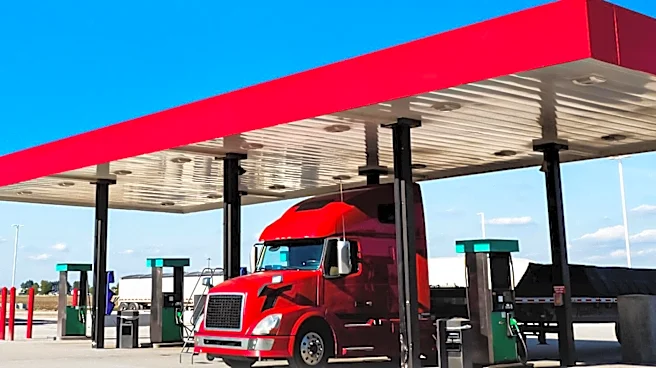
Rep. Brian Mast announced a significant crackdown on trucking fraud by the Departments of Homeland Security and Transportation, which he described as the "largest crackdown on trucking fraud in American history." This initiative has resulted in the closure
of over 110 Commercial Driver's License (CDL) training providers, with more than 160 additional providers facing potential closure. Concurrently, Mast introduced the Freedom Haulers Act. This proposed legislation aims to support veterans by extending the military skills test waiver period for CDLs from 12 to 24 months post-service. Additionally, the act seeks to make the Even Exchange Program permanent, which would allow certain veterans to bypass what are considered redundant examinations for CDL acquisition. Mast emphasized that these measures are intended to enhance road safety and create job opportunities for veterans, asserting that veterans possess the discipline necessary for the trucking industry and that "safer roads and good-paying careers" for them are mutually beneficial.
Why It's Important?
This development holds significant implications for both the U.S. trucking industry and veteran employment. The crackdown on trucking fraud addresses critical safety concerns by removing illegitimate CDL training providers, which could lead to more qualified drivers on the road and a reduction in accidents. For the trucking industry, which often faces driver shortages, ensuring the integrity of licensing processes is crucial for maintaining operational standards and public trust. The proposed Freedom Haulers Act is important for U.S. veterans, as it streamlines their transition into civilian careers by reducing bureaucratic hurdles in obtaining CDLs. By extending waiver periods and making the Even Exchange Program permanent, the legislation could significantly increase the number of veterans entering the trucking sector, providing them with stable, well-paying jobs and addressing the industry's demand for skilled labor. This initiative also underscores a broader effort to leverage military training and discipline for civilian economic benefit, potentially setting a precedent for similar programs in other sectors.
What's Next?
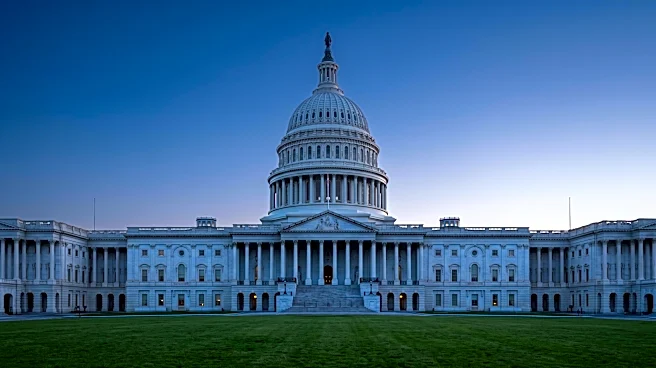
The immediate next step involves the progression of the Freedom Haulers Act through the legislative process. The bill will likely undergo committee review, debate, and votes in Congress. Stakeholders, including veteran advocacy groups, trucking associations, and safety organizations, are expected to engage with lawmakers to support or suggest amendments to the proposed legislation. The Departments of Homeland Security and Transportation will continue their enforcement actions against fraudulent CDL training providers, with ongoing investigations and potential further closures. The long-term impact will be monitored through changes in road safety statistics and veteran employment rates in the trucking industry. The success of these measures could influence future policy decisions regarding professional licensing for veterans and regulatory oversight in other industries prone to fraud. Public awareness campaigns about legitimate CDL training options and veteran support programs may also be launched to maximize the effectiveness of these initiatives.
Beyond the Headlines
Beyond the immediate impact, this initiative touches upon deeper issues of national security, economic resilience, and social responsibility. The prevalence of trucking fraud highlights vulnerabilities in regulatory oversight and the potential for illicit activities to compromise critical infrastructure and public safety. By addressing this, the government reinforces the integrity of essential services. Furthermore, the focus on veteran employment in the trucking sector reflects a broader societal commitment to supporting those who have served. It acknowledges the value of military training and seeks to integrate veterans more effectively into the civilian workforce, which can have positive ripple effects on veteran well-being and economic productivity. This also raises questions about the adequacy of current transition programs for service members and the need for continuous adaptation to meet evolving economic demands. The legislative efforts could also inspire similar initiatives to recognize and utilize military skills in other civilian professions, fostering a more seamless transition for veterans across various industries.