




What's Happening?
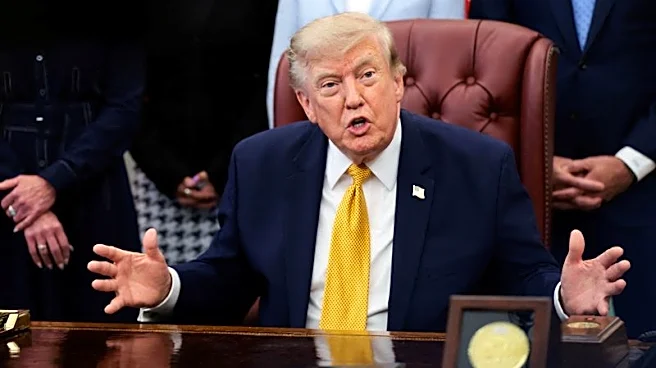
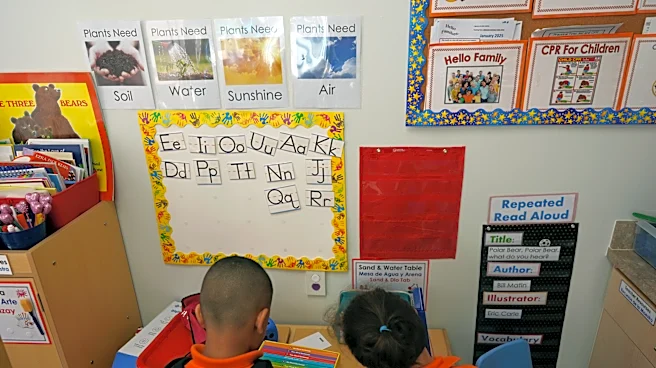
The Trump administration is planning to significantly reduce regulatory requirements for the Head Start program, which serves low-income families across the United States. This federal program provides early childhood education, health screenings, and
meals to children from families earning less than $33,000 annually. The proposed changes could eliminate key standards such as low student-to-teacher ratios and minimum teacher qualifications. The administration argues that these changes will reduce administrative burdens and increase flexibility for local programs. However, critics warn that gutting these standards could undermine the program's effectiveness and negatively impact the educational and life outcomes of the children it serves.
Why It's Important?
Head Start has been a cornerstone of early childhood education for low-income families since its inception in 1965. The proposed regulatory changes could weaken the program's ability to provide high-quality education and support to vulnerable children. This move could have long-term consequences, potentially increasing educational disparities and limiting opportunities for children from disadvantaged backgrounds. The changes also raise concerns about the federal government's commitment to supporting early childhood education and addressing poverty. If implemented, these changes could shift the burden of maintaining program quality to states and local organizations, which may lack the resources to uphold current standards.
What's Next?
The proposed changes are expected to undergo a review process before becoming official in 2027. During this period, stakeholders, including educators, policymakers, and advocacy groups, are likely to voice their concerns and push for revisions. The outcome of this process will determine the future of Head Start and its ability to serve low-income families effectively. If the changes are implemented, states may need to develop their own standards to ensure program quality, potentially leading to a patchwork of regulations across the country. The debate over these changes could also influence future discussions on federal education policy and funding priorities.