







What's Happening?
The latest episode of 'Food Safety Five' covers several key developments in food safety. It highlights new research exploring the use of blue light as a method to reduce antimicrobial-resistant Campylobacter in poultry. The episode also delves into the differences
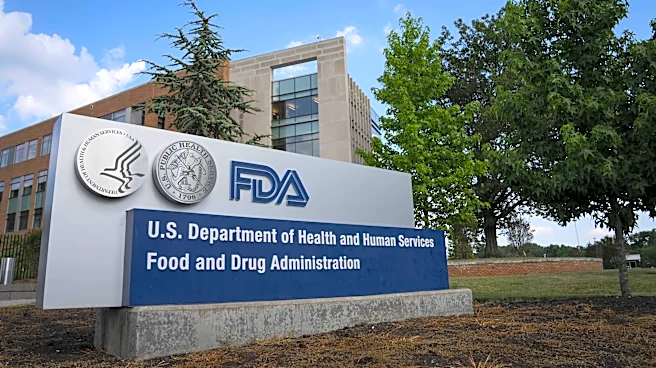
in microbial contamination observed during the processing of beef and pork. Furthermore, it introduces an international food pyramid, noting that its dietary recommendations diverge from some of the messaging found in the most recent U.S. Dietary Guidelines for Americans. Finally, the episode provides updates on two significant U.S. Food and Drug Administration (FDA) initiatives: the Food Traceability Rule and proposed changes to the 'Generally Recognized as Safe' (GRAS) pathway, indicating ongoing regulatory adjustments in the food industry.
Why It's Important?
These topics are crucial for public health and the food industry in the U.S. Research into reducing antimicrobial-resistant bacteria like Campylobacter directly impacts food safety, potentially leading to fewer foodborne illnesses and reducing the public health burden associated with antibiotic resistance. Understanding contamination differences in meat processing can help refine safety protocols and improve consumer protection. The discussion of an international food pyramid that contradicts U.S. dietary guidelines highlights varying approaches to nutrition science and public health messaging, which can influence consumer choices and dietary trends. The FDA updates on traceability and GRAS pathways are significant for food manufacturers, as they dictate compliance requirements, impact product development, and aim to enhance the safety and transparency of the food supply chain, ultimately affecting consumers' trust and health.
What's Next?
The research on blue light for poultry decontamination may lead to new industry practices and technologies if proven effective and scalable, potentially influencing poultry processing standards. Further investigation into microbial contamination differences in beef and pork could result in updated guidelines for meat processors, aiming to minimize risks. The contrasting international food pyramid might spark discussions among nutrition experts and policymakers regarding the efficacy and universality of dietary advice, potentially influencing future revisions of U.S. dietary guidelines. For the food industry, the FDA's Food Traceability Rule will require significant adjustments in record-keeping and supply chain management, while proposed changes to the GRAS pathway could alter how new ingredients are introduced to the market, necessitating adaptation from manufacturers and ingredient suppliers.
Beyond the Headlines
The ongoing efforts to enhance food safety, as highlighted by these developments, reflect a broader societal concern for public health and consumer protection. The emergence of antimicrobial-resistant bacteria underscores the complex interplay between agricultural practices, food processing, and human health, pointing to the need for integrated 'One Health' approaches. The divergence in dietary guidelines between nations also reveals cultural, scientific, and economic factors that shape nutritional advice, suggesting that a 'one-size-fits-all' approach to diet may not be universally applicable or effective. Furthermore, the FDA's regulatory updates signify a continuous evolution in how food safety is managed, balancing innovation with consumer protection in an increasingly complex global food system, which has long-term implications for food security, trade, and public trust in food products.