



What's Happening?
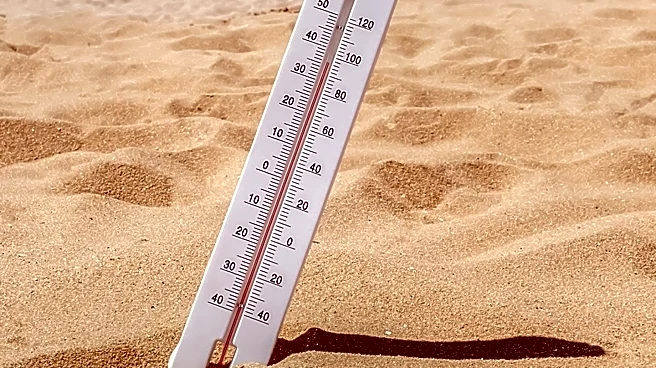
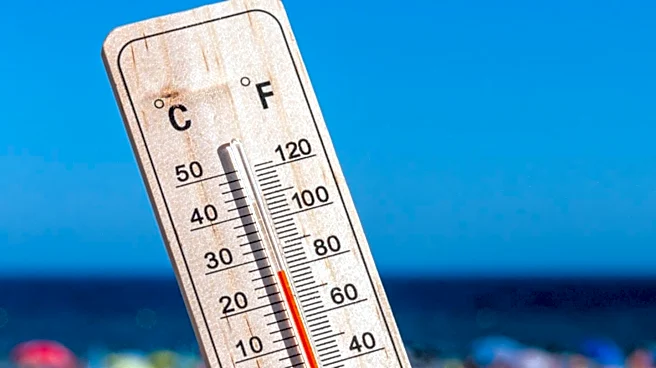
Washington, D.C. faced significant disruptions during its 250th Independence Day celebrations due to extreme weather conditions. The National Independence Day Parade was canceled following a record-breaking heatwave, with temperatures reaching 102 degrees
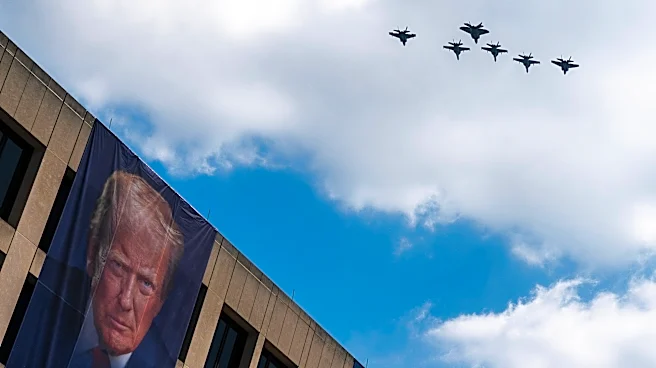
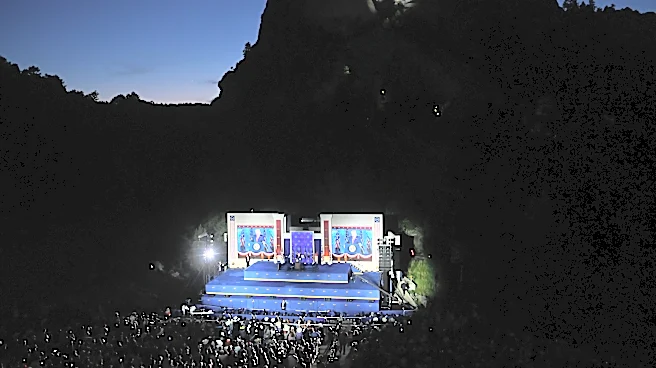
Fahrenheit at Reagan National Airport. The National Weather Service issued an extreme heat warning and a Code Purple air quality alert, indicating very unhealthy conditions. Despite these challenges, the fireworks display on the National Mall proceeded after a delay caused by severe thunderstorms. President Trump delivered a speech at the event, emphasizing American exceptionalism and addressing political themes. The celebrations were part of the Freedom 250 initiative, marking the nation's semiquincentennial anniversary.
Why It's Important?
The cancellation of the parade and the weather-related disruptions highlight the growing impact of extreme weather events on public gatherings and infrastructure. The heatwave affected not only Washington, D.C., but also other parts of the country, with similar cancellations in cities like Philadelphia and New Jersey. These events underscore the need for cities to adapt to changing climate conditions, which can pose risks to public safety and strain emergency services. The political undertones of President Trump's speech also reflect the ongoing divisions in American society, as national celebrations become platforms for political discourse.
What's Next?
As the nation continues to experience extreme weather patterns, there may be increased pressure on local and federal governments to implement more robust climate adaptation strategies. This could involve enhancing infrastructure to withstand heatwaves and storms, as well as improving emergency response systems. Additionally, the political climate may see further polarization as leaders use national events to address contentious issues. The aftermath of the celebrations could lead to discussions on how to balance public safety with the desire to maintain traditional festivities.
Beyond the Headlines
The presence of groups like the Patriot Front during the celebrations raises concerns about the use of national events for extremist recruitment and propaganda. This highlights the need for vigilance and countermeasures against hate groups exploiting public gatherings. Furthermore, the emphasis on American exceptionalism in President Trump's speech may influence future political narratives, potentially affecting domestic and international policies. The intersection of climate challenges and political rhetoric during such events could shape public perception and policy priorities in the coming years.