




What's Happening?
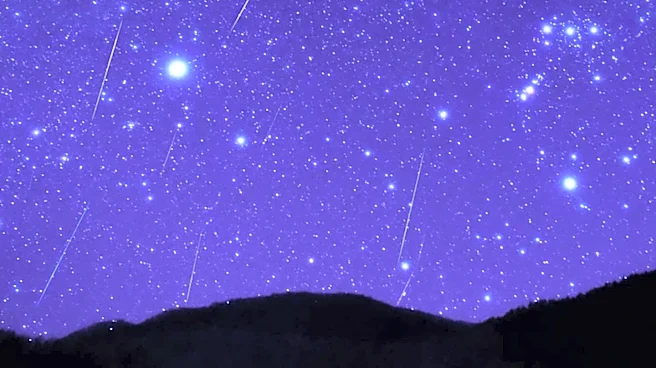
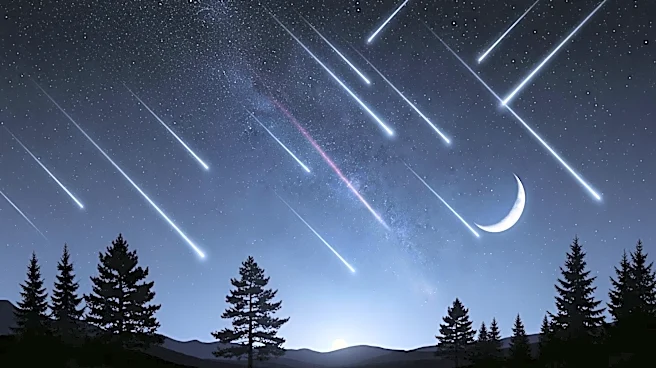
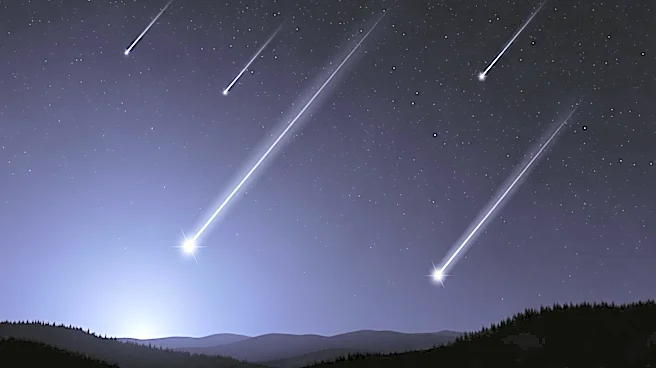
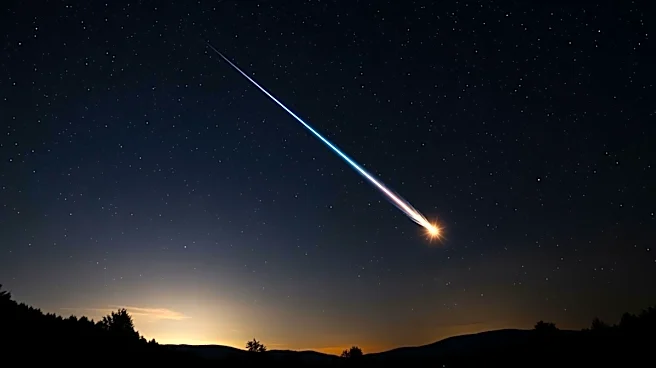
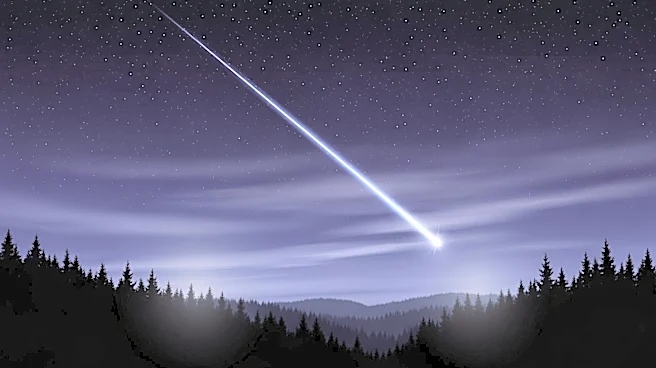
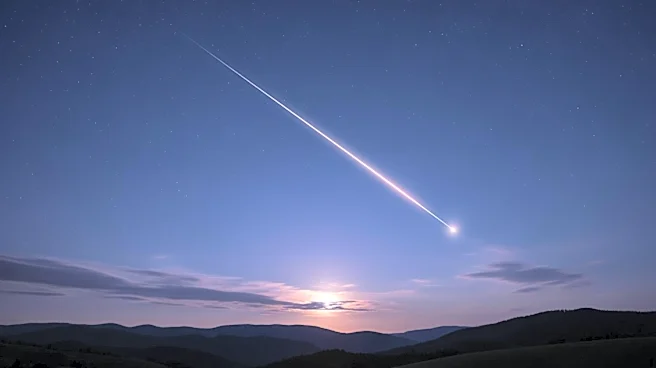
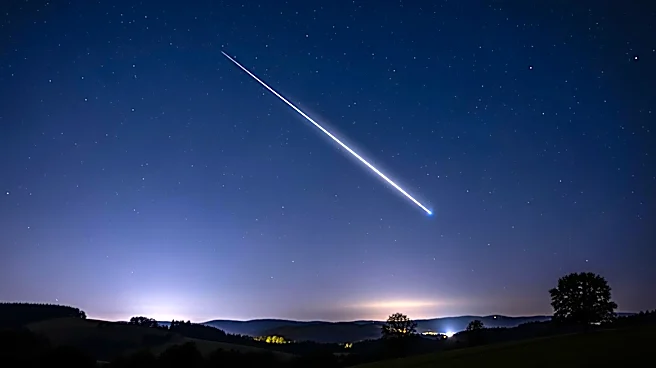
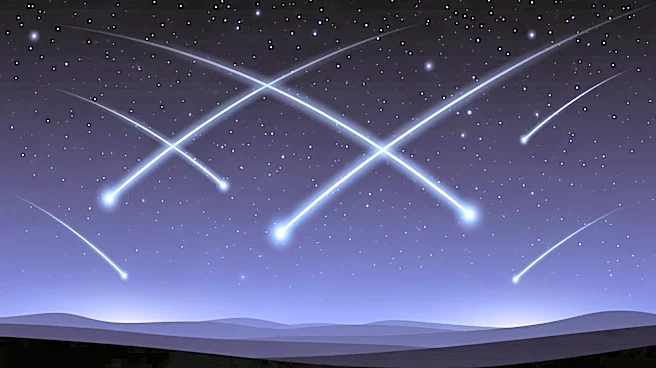
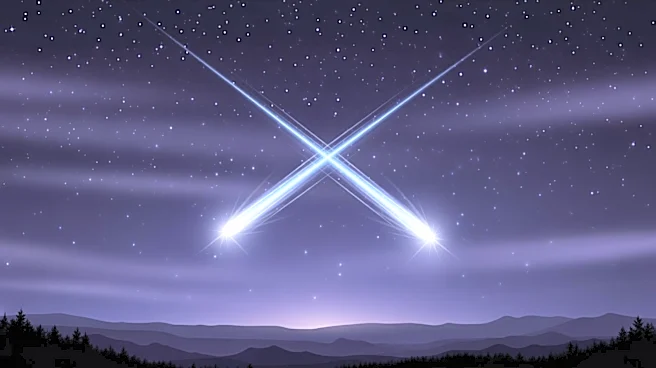
The Lyrid meteor shower is set to peak tonight, offering skywatchers the opportunity to witness up to 20 meteors per hour under ideal conditions. The shower, which has been active since April 14, will reach its peak in the early hours of April 22. The Lyrids
are known for their bright fireballs and originate from the debris of Comet Thatcher, which last approached Earth in 1861. The best viewing conditions are expected after midnight when the moon sets, leaving the sky dark and optimal for meteor watching. Observers are advised to look towards the northeastern sky, slightly away from the constellation Lyra, to catch the longest and brightest meteor trails.
Why It's Important?
The Lyrid meteor shower is one of the oldest recorded meteor showers, with sightings dating back 2,500 years. It provides a unique opportunity for both amateur and professional astronomers to observe and study meteors. The event also serves as a reminder of the dynamic nature of our solar system and the ongoing interactions between Earth and celestial bodies. For the general public, it offers a chance to engage with astronomy and appreciate the natural wonders of the night sky, fostering interest in science and space exploration.
What's Next?
Following the Lyrid meteor shower, the next major meteor event will be the Eta Aquarids, which are expected to peak in early May. This shower is associated with Halley's Comet and will provide another opportunity for skywatchers to observe meteors. As interest in astronomy continues to grow, events like these are likely to encourage more public engagement and educational activities related to space and science.