



What's Happening?
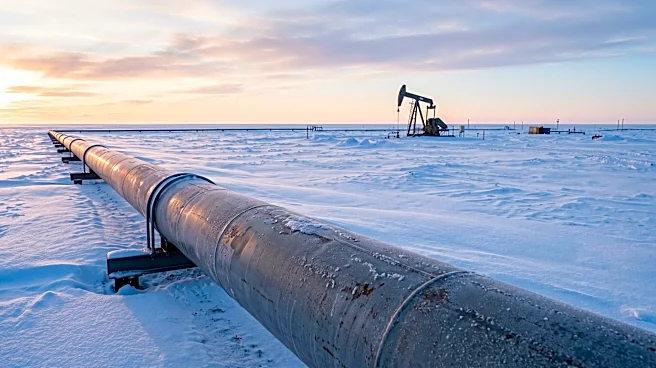
Workers on ConocoPhillips' oil fields in Alaska's North Slope have successfully formed a union, voting overwhelmingly in February to join the United Steelworkers (USW). This decision came after ConocoPhillips implemented significant cuts to pay and benefits
and laid off highly skilled workers in 2024, despite the company reporting billions in profits. Employees, including Bryan Goode and Will Kholeif, expressed that the company prioritized shareholder needs over its workforce, leading to safety concerns due to a reduced staff being asked to do more in extreme working conditions. The organizing drive united approximately 270 workers across several remote sites, overcoming logistical challenges through the use of a secure online platform for communication and electronic signatures for union cards.
Why It's Important?
This unionization effort highlights a growing trend of labor activism within the U.S. energy sector, particularly in response to corporate cost-cutting measures that impact employee welfare. The successful formation of a union by ConocoPhillips workers in such a remote and challenging environment demonstrates the power of collective action and could inspire similar movements in other industries or companies facing similar issues. For ConocoPhillips, this means engaging in collective bargaining for the first time with a significant portion of its Alaskan workforce, which could influence operational costs, labor relations, and public perception. The outcome of future contract negotiations will set a precedent for how major energy companies manage their workforce and respond to union demands, potentially affecting the broader labor market and corporate responsibility standards in the U.S.
What's Next?
The newly unionized ConocoPhillips workers on the North Slope are now preparing to bargain for their first contract with the company. This process will involve negotiations over wages, benefits, working conditions, and safety protocols. The methods of communication and mobilization used during the organizing drive are expected to continue as the workers engage in contract discussions. The outcome of these negotiations will be closely watched by both labor organizations and corporations, as it could influence future unionization efforts and labor practices in the energy industry. The United Steelworkers will play a crucial role in representing the workers' interests and ensuring a fair agreement, potentially leading to improved working conditions and job security for the employees.
Beyond the Headlines
The unionization of ConocoPhillips workers in Alaska underscores the ethical and social dimensions of corporate decision-making, particularly when profit motives clash with employee well-being. The workers' decision to unionize, despite the inherent challenges of their remote and demanding environment, reflects a deeper societal concern about fair labor practices and the value placed on human capital. This event could contribute to a broader cultural shift where employees are increasingly empowered to demand better treatment and greater transparency from their employers, even in industries traditionally characterized by challenging work conditions. It also highlights the evolving role of technology, such as online platforms, in facilitating labor organizing in geographically dispersed workforces, potentially transforming how unions operate and expand their reach in the digital age.