






What's Happening?
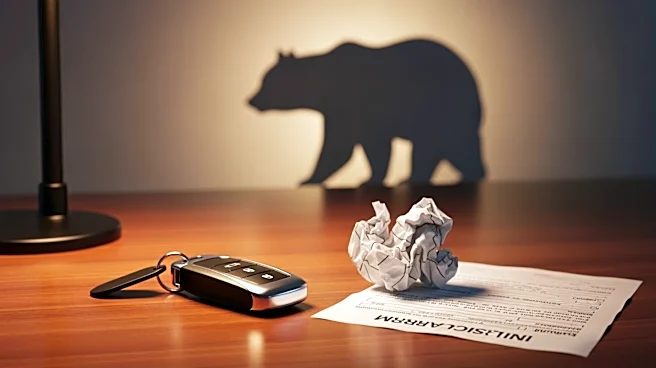
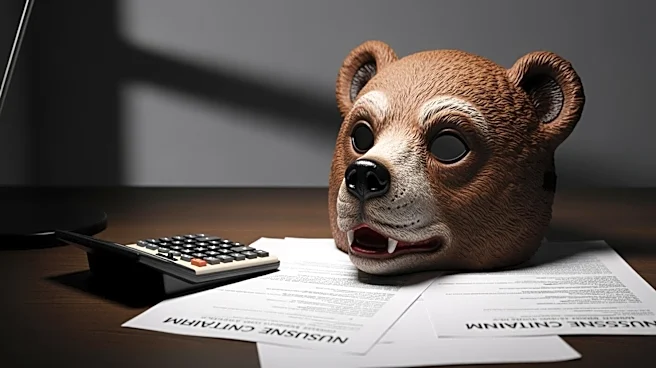
Three individuals in California have been sentenced for their involvement in an unusual insurance fraud scheme that utilized a bear costume to stage fake attacks on luxury cars. The California Insurance Department revealed that the group orchestrated
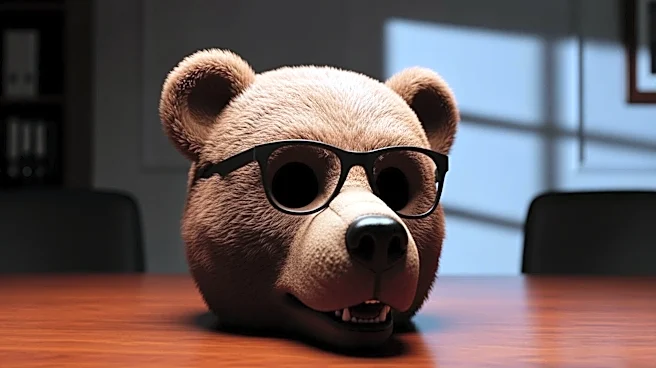
'Operation Bear Claw,' where a person dressed in a bear suit was used to simulate damage inside a Rolls-Royce and two Mercedes vehicles. The fraudulent claims sought nearly $142,000 in payouts from insurance companies. The suspects, two men and a woman from the Los Angeles area, pleaded no contest to felony insurance fraud charges and received sentences that include a weekend jail program followed by probation. Additionally, two of the individuals were ordered to pay over $50,000 in restitution. A fourth person involved in the scheme is scheduled for a court hearing in September. The fraudulent claims were supported by videos purportedly showing a bear inside the vehicles, which were later determined by a biologist to be a human in a bear suit.
Why It's Important?
This case highlights the lengths to which individuals may go to commit insurance fraud, impacting the insurance industry and potentially leading to higher premiums for consumers. Fraudulent claims like these can strain resources and lead to increased scrutiny and regulatory measures within the industry. The use of a bear costume in this scheme underscores the creativity and audacity of some fraudsters, posing challenges for insurance companies in detecting and preventing such scams. The sentencing serves as a deterrent, emphasizing the legal consequences of engaging in fraudulent activities. It also raises awareness about the prevalence of insurance fraud and the importance of vigilance among insurers and policyholders.
What's Next?
The insurance industry may respond to this case by implementing more stringent verification processes for claims involving unusual circumstances. Insurance companies could invest in advanced technologies and training to better identify fraudulent activities. The upcoming court hearing for the fourth suspect may provide further insights into the operation and lead to additional legal actions. Regulatory bodies might consider revising policies to address and prevent similar schemes in the future, ensuring the integrity of the insurance system.
Beyond the Headlines
The use of a bear costume in this fraud scheme reflects broader societal issues related to wildlife interactions in California. Bears have increasingly become a nuisance in certain areas, leading to creative exploitation by fraudsters. This case may prompt discussions on wildlife management and the ethical implications of using animal imagery for deceptive purposes. It also highlights the cultural fascination with bears and their symbolic presence in media and entertainment, which can be manipulated for fraudulent gains.