





What's Happening?
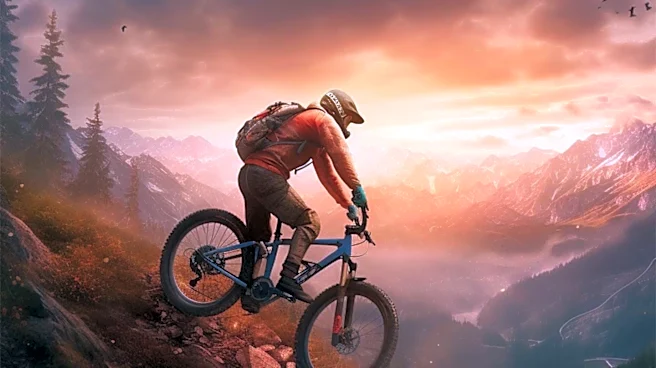
A growing concern among mountain biking enthusiasts and environmental advocates is the practice of geotagging trails on social media. While sharing experiences, photos, and videos is a common aspect of online culture, broadcasting precise trail locations
can lead to unintended negative consequences. The author, a mountain bike racer, highlights the dilemma between sharing the joy of a ride and protecting the integrity of the trails. The issue stems from the ease with which social media allows users to share exact locations, often without providing crucial context about trail conditions, parking capacity, seasonal closures, wildlife concerns, or the trail's durability. This lack of context can result in an influx of unprepared visitors to sensitive areas, potentially causing environmental damage, overcrowding, and conflicts with other trail users or landowners. The article emphasizes that not all trails are equipped to handle increased traffic, and the decision to share a location should involve careful consideration of the trail's capacity and the potential impact on the local environment and community.
Why It's Important?
This discussion is important for the U.S. outdoor recreation community and environmental conservation efforts. The unchecked sharing of trail locations can lead to significant ecological degradation, including erosion, habitat disruption, and increased litter in natural areas. For local communities, an unexpected surge in visitors can strain limited resources, such as parking and emergency services, and create tension between residents and recreationists. Furthermore, it raises questions about the ethics of digital sharing and individual responsibility in preserving natural spaces. While public trail systems benefit from promotion and increased participation, which can lead to more funding and volunteer support, remote or less-maintained trails are particularly vulnerable. The article underscores the need for a balanced approach that supports the riding community while safeguarding the long-term health of trails and their surrounding ecosystems. This issue affects not only mountain biking but also other outdoor activities like hiking and climbing, where popular spots can quickly become overwhelmed.
What's Next?
The conversation around responsible geotagging is likely to continue evolving within outdoor recreation communities. We may see increased efforts by trail organizations, land managers, and experienced riders to educate the public on the potential impacts of sharing precise locations. This could involve campaigns promoting 'leave no trace' principles, encouraging the sharing of general region information rather than exact coordinates, or advocating for the use of private messaging to share sensitive trail details. There might also be a push for social media platforms to implement features that allow users to share experiences without revealing exact locations, or to provide educational prompts when geotagging is used in natural areas. Ultimately, the goal is to foster a culture of mindful sharing that prioritizes environmental stewardship and community well-being over the immediate gratification of online engagement. Individual riders will be encouraged to exercise judgment and consider the broader implications before posting trail locations.
Beyond the Headlines
Beyond the immediate concerns of trail preservation, this issue touches upon broader themes of digital responsibility, the commodification of natural spaces, and the evolving relationship between humans and the environment in the age of social media. The article highlights how social media can transform natural landscapes into 'content,' where the value of a place becomes tied to its recognition and shareability online. This shift can diminish the intrinsic value of nature and encourage a consumerist approach to outdoor experiences. It also raises ethical questions about 'ownership' of information and the balance between open access and selective sharing. The tension between building a community around a shared passion and protecting the very resources that fuel that passion is a complex one. This debate encourages a deeper reflection on how technology mediates our experiences with the natural world and the responsibilities that come with our digital footprints, urging a more conscious and respectful engagement with both online platforms and the environment.