







What's Happening?
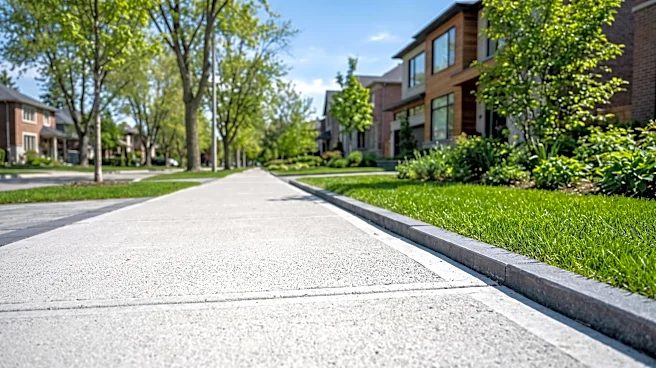
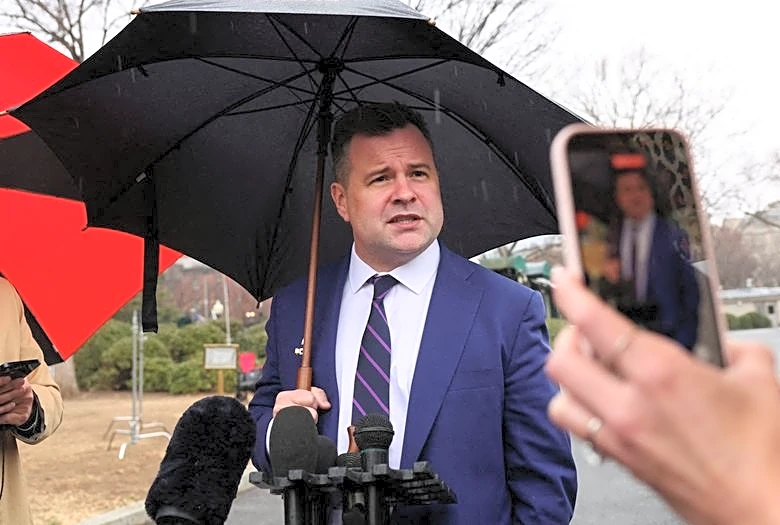
Montgomery County Councilmember Evan Glass has introduced Bill 51-26, aimed at simplifying the process for building sidewalks in residential neighborhoods. The bill has garnered support from all ten fellow Councilmembers as co-sponsors, indicating broad
consensus on the need for improved pedestrian infrastructure. This legislative effort seeks to accelerate the request, approval, and construction phases of sidewalks, addressing current regulations that allow a minority of residents to impede such projects. Concurrently, the county is also advancing Bill 41-26, which aims to expand access to Accessory Dwelling Units (ADUs). This bill proposes waiving fees for ADUs rented at affordable rates and eliminating the owner-occupancy requirement for obtaining an ADU rental license, thereby treating these smaller homes more equitably compared to other rental properties. These initiatives are part of a broader effort to foster more sustainable and inclusive communities within Montgomery County, with various community visioning workshops and planning board hearings scheduled through early next year.
Why It's Important?
The proposed legislation in Montgomery County carries significant implications for urban planning, housing affordability, and pedestrian safety. Bill 51-26, by streamlining sidewalk construction, directly addresses public safety concerns and promotes walkability, which can enhance community health and reduce reliance on vehicular transportation. This could lead to more vibrant, accessible neighborhoods and potentially increase property values in areas with improved infrastructure. Bill 41-26, focusing on ADUs, is crucial for tackling the housing affordability crisis by increasing the supply of diverse housing options. By reducing barriers to ADU development, the county aims to provide more affordable rental units, benefiting lower-income residents and those seeking alternative housing solutions. The elimination of owner-occupancy requirements could also encourage more investment in ADUs as rental properties, further expanding housing availability. These legislative actions reflect a proactive approach to urban development challenges, aiming to create a more equitable and functional living environment for all residents.
What's Next?
The legislative process for Bill 51-26 will continue with a public hearing scheduled for November 10 at the County Council, where residents can sign up to testify and share their support or concerns. Community engagement is also ongoing for Bill 41-26, encouraging residents to take action to support expanded access to ADUs. Beyond these specific bills, Montgomery County has a packed schedule of community planning events. Upcoming activities include a Wheaton Plan Community Visioning Workshop on November 5, MD355 Bus Rapid Transit update meetings throughout November, and Eastern Silver Spring Communities Plan Planner Office Hours. The Build Gaithersburg 2040 Draft Plan is open for comments until December 7, and Planning Board Hearings for the Eastern Silver Spring Communities Plan are set for January 7 and 14. These ongoing engagements indicate a sustained effort by the county to involve residents in shaping future development and policy decisions.
Beyond the Headlines
These legislative efforts in Montgomery County highlight a broader national trend towards addressing urban density, housing affordability, and sustainable infrastructure. The push to ease sidewalk construction reflects a growing recognition of the importance of pedestrian-friendly environments for public health, community cohesion, and environmental sustainability. By making it easier to build sidewalks, the county is investing in active transportation and reducing carbon footprints. Similarly, the focus on ADUs is part of a wider movement to promote 'missing middle' housing options, which can help diversify housing stock and create more inclusive neighborhoods without drastically altering existing community character. The removal of owner-occupancy requirements for ADUs signals a shift towards viewing these units as a vital component of the rental market, rather than solely as owner-occupied extensions. This could set a precedent for other jurisdictions grappling with similar housing challenges, encouraging innovative solutions to increase housing supply and affordability.